

The Line of Beauty (2004)
The Line of Beauty is a 1980s-set novel covered the peak years of Margaret Thatcher’s Conservative rule and the growth of the AIDS crisis. It focuses on Nick Guest, a recent Oxford graduate writing his PhD on Henry James. Now living in a Notting Hill townhouse belonging to the parents of his college friend (and crush) Toby Fedden. The patriarch of the family is Thatcher-obsessed MP Gerald Fedden, married to Rachel and also father to Catherine, a troubled character who forms a closer bond with Nick.
The Booker in the Nineties
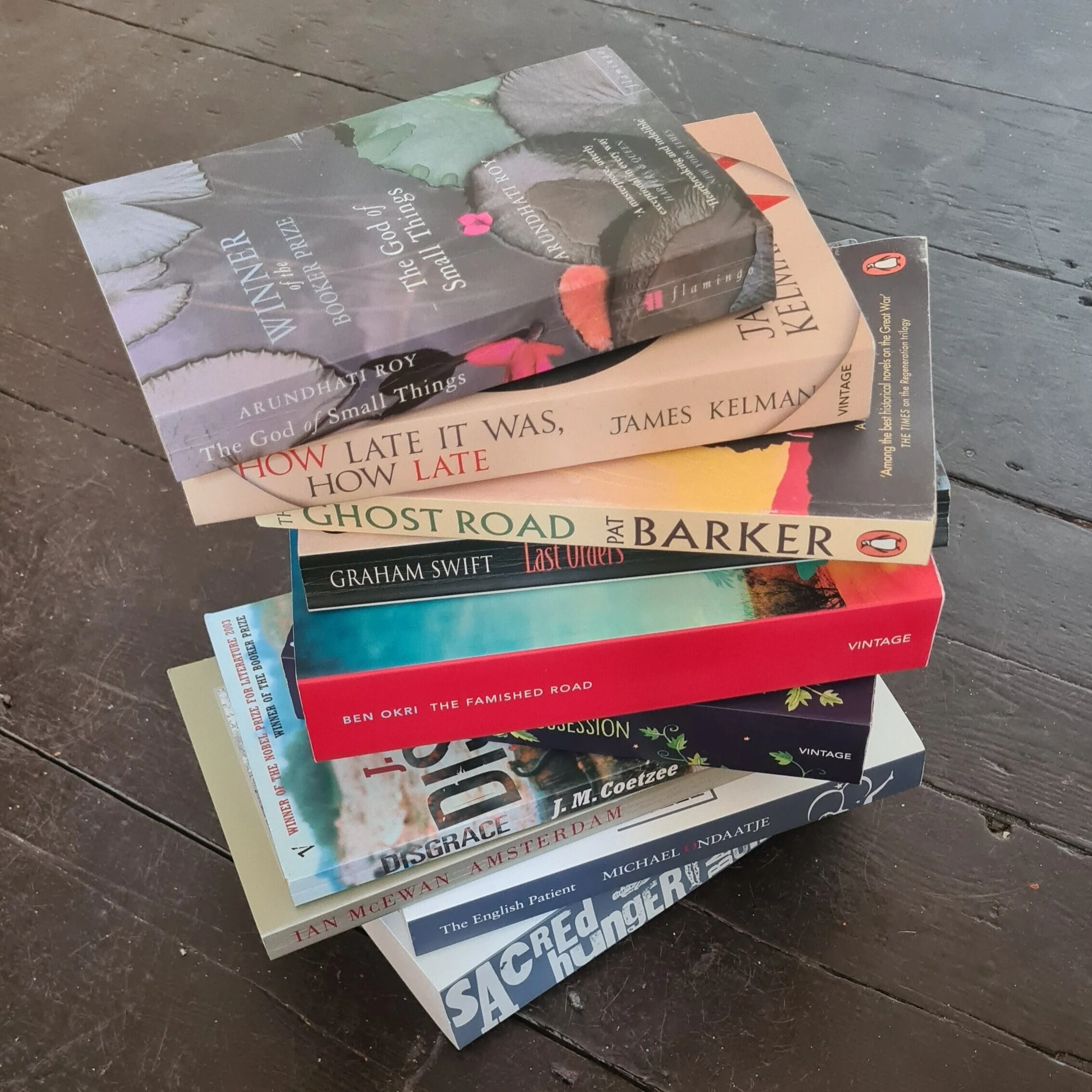
In this mass media glare of the 90s Booker, there’s evidence here and there of yet more self-consciousness on the part of the rotating panel of judges. There’s the occasional tendency to try to replicate old success stories, which more often than not falls flat. Experimentation happens here and there, welcome when it does, however successful. We start to get a firmer sense of “Booker type” novels, leading to a sense of exhaustion with some of the winners. More importantly, the sense that many of those “Booker type” novels come from the pens of a certain “Booker type” author (white, middle class, overwhelmingly male) can no longer be ignored.

Disgrace (1999)
Disgrace is told from the perspective of David Lurie, a divorced literature professor at a university in post-Apartheid Cape Town. The first half of the novel details Lurie’s life as an aging academic and Byron obsessive, satisfying himself with weekly visits to prostitutes. He loses everything following his pursuit and eventual rape of a young female student, and subsequent refusal to co-operate with an enquiry that seems designed to protect him.

The Booker in the Eighties
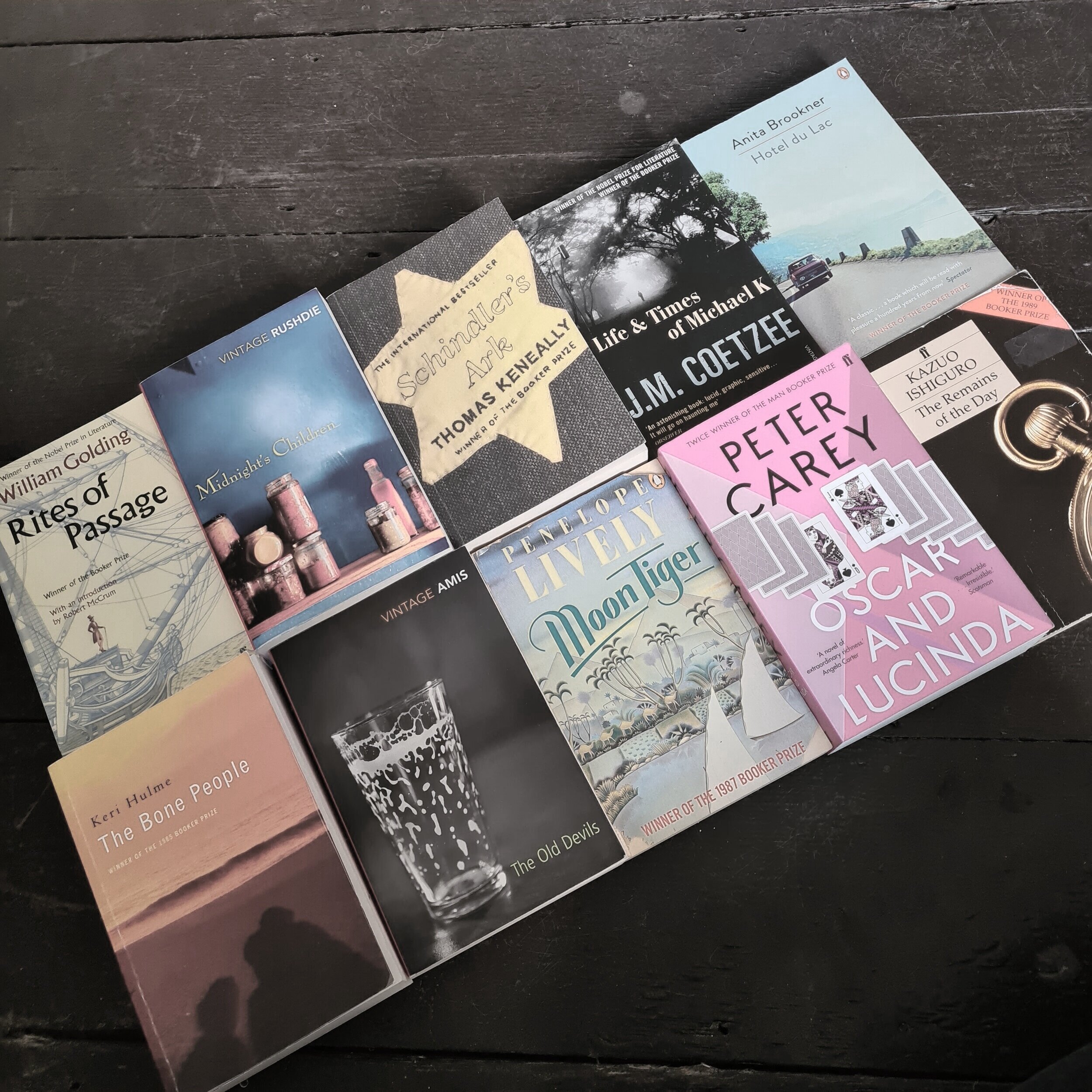
After the Seventies saw the Booker taking its tentative first steps, stumbling here and there, occasionally landing on a genuine classic but more often than not serving up curiosities rather than solid-gold genius, we venture into more solid ground in the Eighties.
There’s a sense here of more self-awareness, of the need for winners to feel “important” and make a statement of some kind. There are certainly more hits than misses, and even the latter are perhaps in some ways more interesting than those of the previous decade.

The Remains of the Day (1989)
The Remains of the Day focuses on Stevens, an experienced butler at the top of his trade, but coming towards his twilight years, and in the employ of a newly-arrived American businessman following years of dedicated service to the aristocratic Lord Darlington. The first-person narrative is located in the 1950s, with Stevens in charge of much-reduced staff from his glory days, and beginning to notice small errors in his previously perfectionist work. He accepts his employer’s offer of a break, for the purposes of which he borrows his car and heads off on a tour of the South West of England, part of which will involve a visit to an old colleague, Miss Kenton.

Moon Tiger (1987)
On her deathbed, popular historian and journalist Claudia Hampton decides to write “a history of the world,” which turns out to be a kaleidoscopic reflection on her own life, going back and forth in time anchored around the loss of the great love of her life, a soldier called Tom who she meets in 1942 Egypt. The titular “moon tiger” is a mosquito repellant device, “a green coil that slowly burns all night… dropping away into lengths of grey ash” - present at a pivotal (and ultimately, final) moment in her relationship with Tom, and its “glowing red eye” is a light that she’s unable to look away from, returning to it time and again throughout the novel.

Midnight’s Children (1981)
Midnight’s Children is a novel of many parts, meanings and interpretations. It tells the story not just of the complex and fantastic life of a man, Saleem Sinai, but of a young nation for whom Saleem is a mirror / proxy. It covers a large time period (from 30 years prior to the birth of Saleem / India to the present day), movements across the whole Indian subcontinent, wars, rises and falls of families and political dynasties, and people (including real people, proxies for real people, fictional inventions and fantastical creations.) There are, as they say, many worlds contained within these pages.
