

The Disappearers (2026)
The Disappearers takes as its starting point a 1988 clandestine theatre group, a rather disparate selection of local gay men who answered the coded call to audition for a production of Canadian playwright John Herbert's prison-set drama, Fortune and Men's Eyes, directed by the veteran Cambridge-educated Havelock Titus. Its first section is narrated by the white-passing Belgian-Jamaican youth Eddy Porteous, who has (compared at least to his peers) a relatively straightforward home life, and sits kind of on the periphery of the group, some of whom have prior connections and are at least generally more immersed in the real-world realities of living as a gay man in Jamaica. He develops a fascination with the beautiful half-Chinese Mat Chin, and begins to notice the difficulties experienced by another fellow actor, Jordan Brown. By a quirk of fate, Porteous misses the rehearsal on the night when it is overrun by a bloodthirsty homophobic mob, inspired by (and ring-led by) the local dancehall artist Streggeh Don, whose hate-filled hit ‘Batty is not Pussy’ has become something of an anthem for many of the worst elements of Jamaican society.
Switzy (2026)
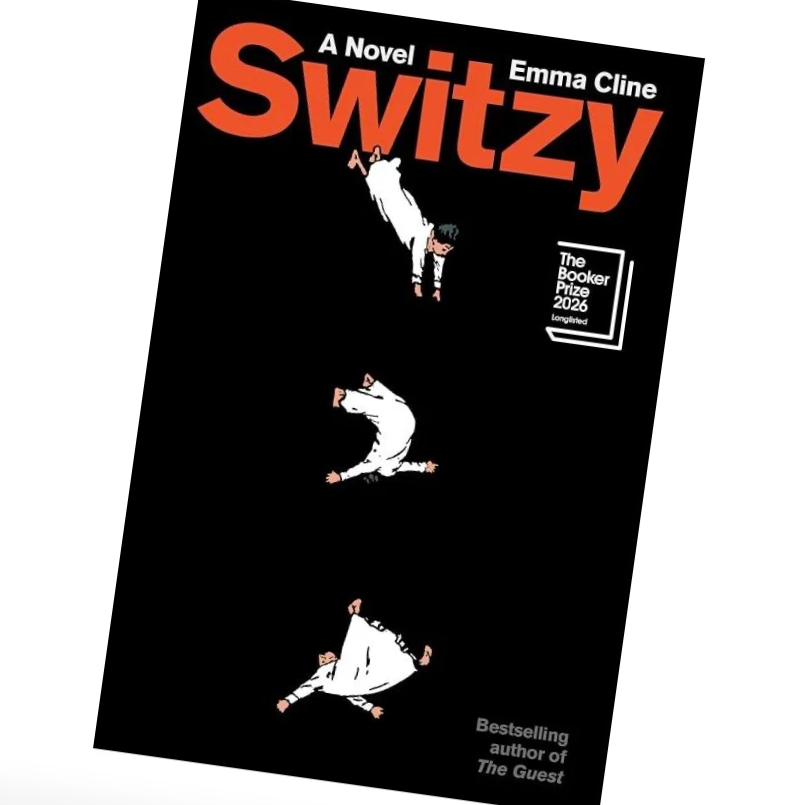
Switzy focuses on the final journey of David, a retired high-flying business executive. Suffering from dementia and dependent on the help of his young assistant Cody, he has made one final decision which will take him to a clinic in Zurich, Switzerland. Along the way, via flights on a borrowed private jet, he will visit his estranged daughter and her nine-year-old son in London, and meet an old friend in France near the Swiss border. His mind deteriorating, he reflects on his life in fragments (repeated phrases from childhood books, films and lessons pepper his present-day thoughts) and distracts his mind with repeated games of solitaire on his phone.
The Gallows Pole (2017)
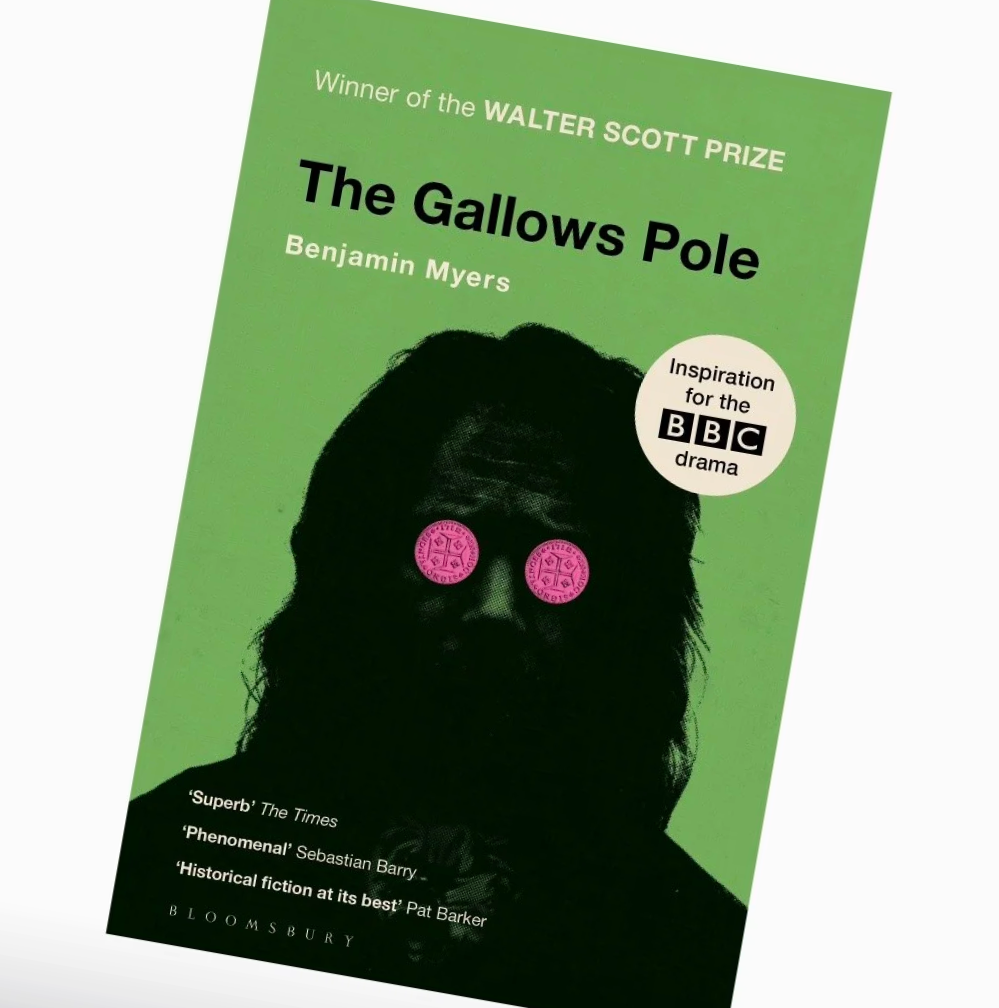
The Gallows Pole is a historical novel set in 18th century Yorkshire. It focuses on the true story of the Cragg Vale Coiners, a ragtag bunch of local men under the leadership of '“King” David Hartley who scrape a living together by “clipping” coins to melt down and produce new forgeries. The book is set on the cusp of industrialisation, in the dying days of an era when a charismatic man could hold effective dominion over a valley, in a relatively closed community maintaining a form of isolation from the rules and laws of the land. The exciseman William Deighton enters as an outsider, vowing to take down Hartley and his hugely successful enterprise. As the web closes in on the Coiners, in the background cotton mills are rising, turnpikes slicing their way through the countryside, and a way of life being lost to history.
North Woods (2023)
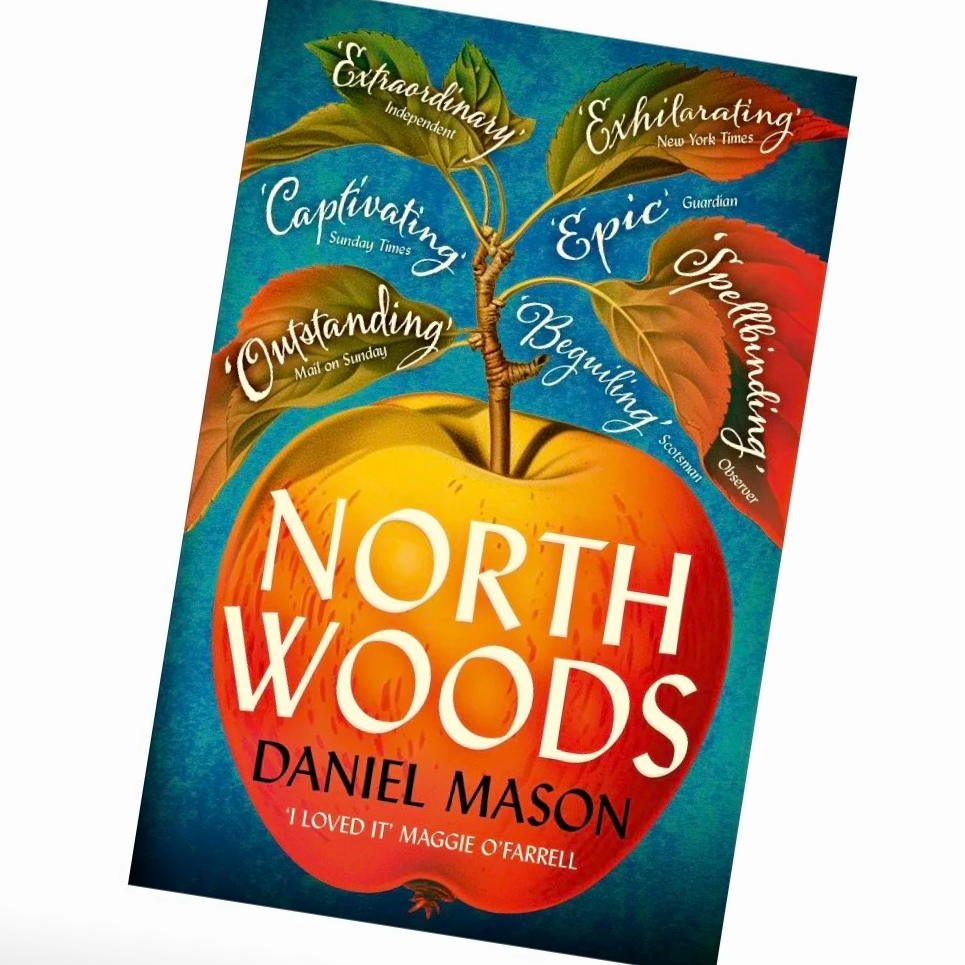
North Woods is the story of a house in New England and its inhabitants over the course of around 400 years, from the 17th century to sometime around the present day. It begins with the establishment of a cabin in the woods by a pair of Puritan lovers, and a tale of an unnamed woman fleeing war who poisons the soldiers chasing her. Perhaps most memorable, though, are the sections that follow next, largely in the 18th century, concerning the Osgood family. Charles, a soldier, moves to the area and renovates the yellow house, as well as establishing an orchard. He becomes a notorious ‘apple man’, famous across the region for his unique Osgood Wonder apples. When he is called up to fight once again, he dies fighting in the Revolutionary War and the house passes to his daughters, Mary and Alice. They live out their lives in an increasingly isolated and codependent fashion, with neither marrying. Their gruesome ending comes to haunt the house through the subsequent centuries.

All That Man Is (2016)
All That Man Is comprises eleven short stories, each told from the perspective of a different man. The stories cover men of different ages, loosely in ascending order, beginning with a student and ending with an octogenarian nearing the end of life. Its eligibility for the Booker depended on it being considered a novel, which is something of a stretch. While there is one direct connection made between characters in different stories, and several others implied, the connection between the tales is more thematic than anything else, so in many senses not unusual for a short story collection., Which, let’s be honest, this is. Where Flesh took as its focus the full life of one man, this book instead views that same span of life through the eyes of a range of different men. While there are obvious differences, though, between the men, with some significant variation in social status alongside the obvious variety of ages, there are also many similarities. Is the book ‘all that man is’ in the sense of man in his ‘rich diversity’, or rather, ‘all that man is’ in the sense that, ultimately, there is not much to set us all apart? Is this limited range part of the point: at the heart of it, we’re all driven by the same few things and all destined for the same outcome?
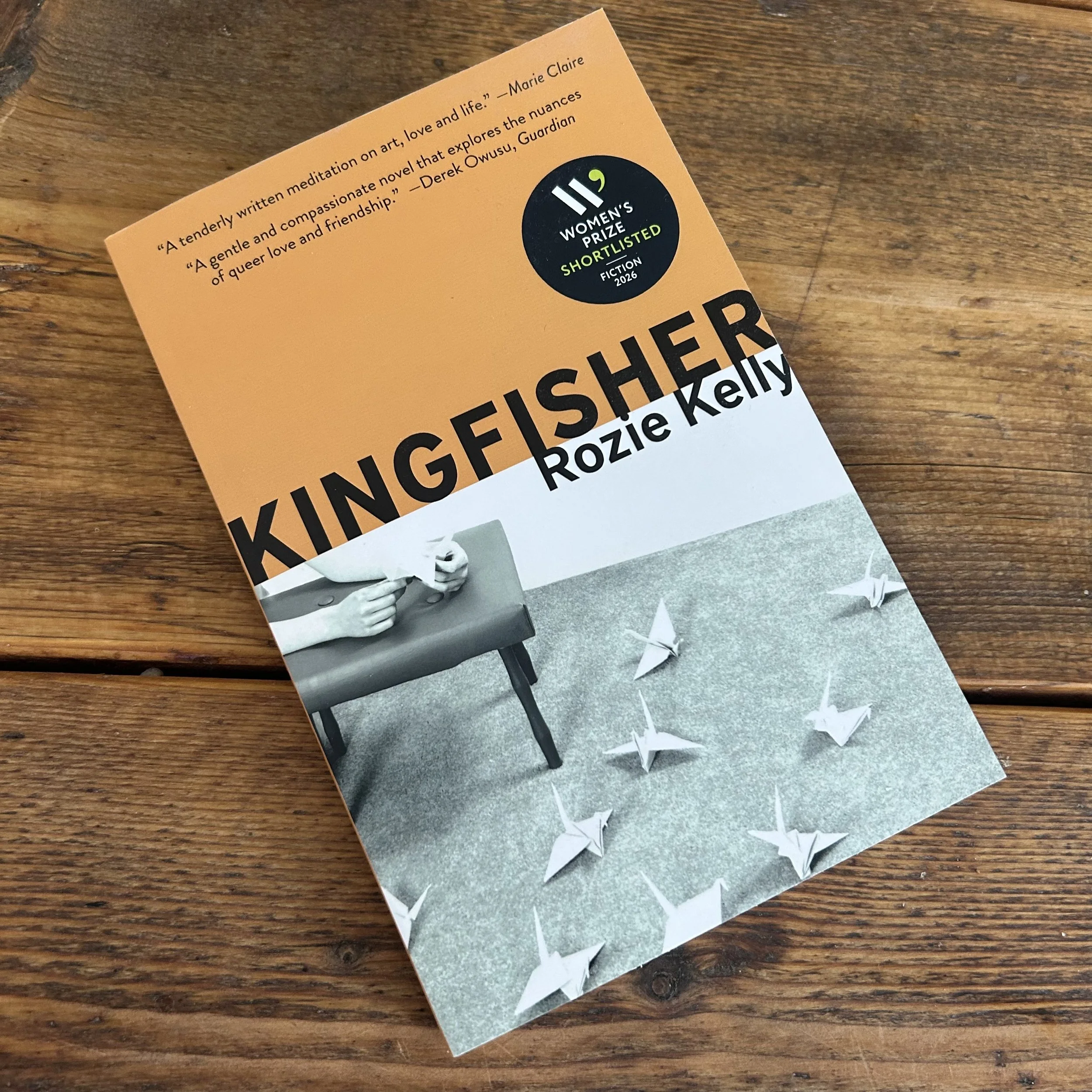
Kingfisher (2025)
Kingfisher tells the story of an unnamed queer man, a writer and university employee whose relationship with his partner Michael (a successful gym entrepreneur) is falling apart at the same time as he becomes obsessed with a female colleague (and far more successful writer) known as ‘the poet’, with whom he begins a complex relationship. His mother, Hetty, treated him badly in childhood in ways that are not fully explained and persists in expressing her homophobia. She is in a nursing home and he occasionally makes grudging visits to her with Michael. As the book develops, he ends his relationship with Michael and spends more and more time with the poet. Hetty becomes critically ill and the narrator decides against seeing her before her death, but as the poet suffers a re-emergence of her prior breast cancer, he effectively becomes a carer to her. Their complex relationship becomes the inspiration for him to restart his writing and leads to him securing a significant book deal.
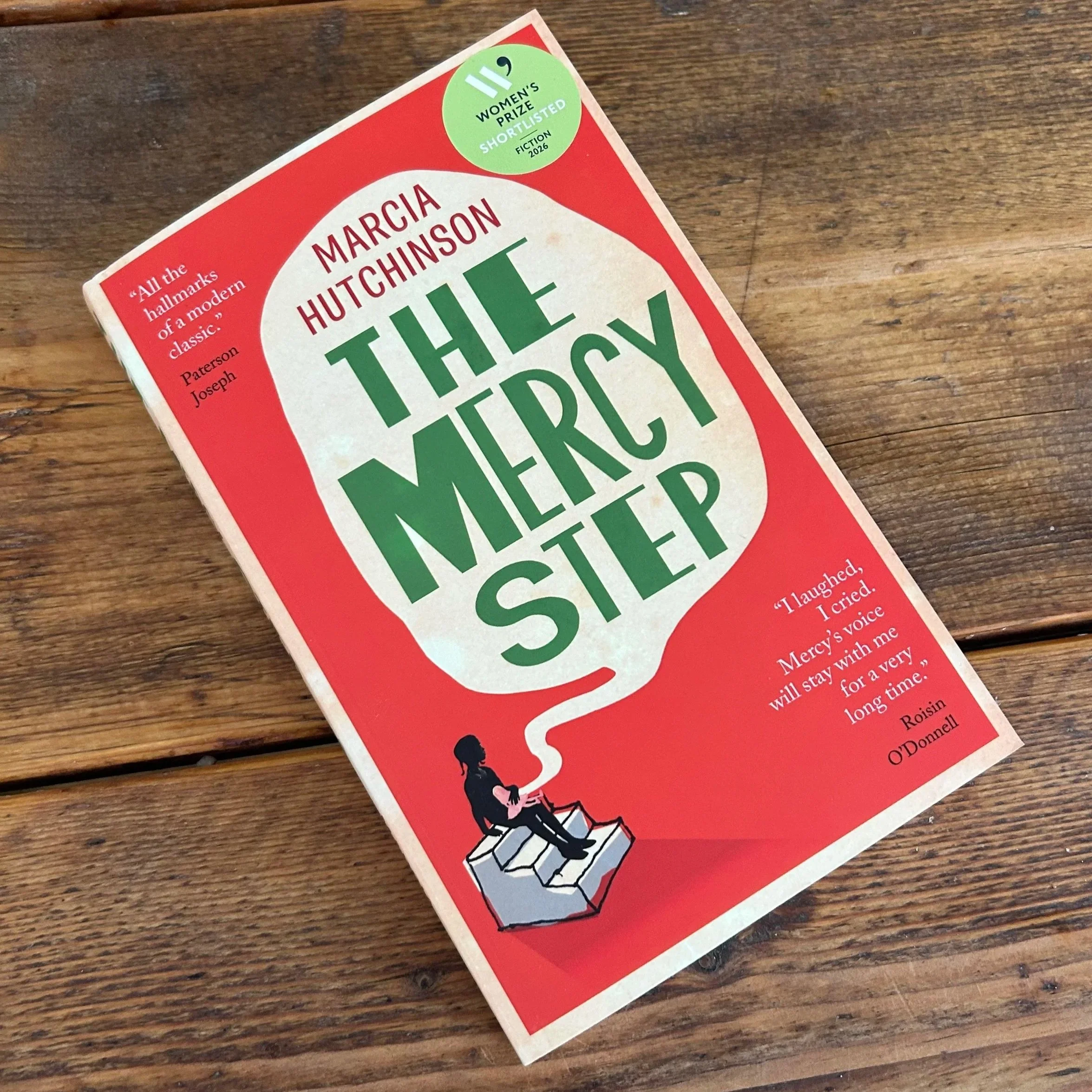
The Mercy Step (2025)
The Mercy Step is a coming-of-age novel focusing on Mercy Hanson, the daughter of Windrush generation immigrants, from her premature birth in 1962 in Bradford through to her early teens. The book is narrated from Mercy’s perspective, starting in the womb and then in early months in hospital with ‘New Monya’. From an early age, she’s evidently a gifted and perceptive child and feels disconnected from the rest of her siblings, instead finding solace in chats on her ‘mercy step’ with her Dolly. She nonetheless feels closely tethered to her mother, a bond which is tested throughout the book by her inability to fight back against her abusive and generally unpleasant husband, Mercy’s Daddy, by her blind devotion to her religion, and by the general strains of being a struggling mother of many children. By the end of the book we find out whether she’s able to cut the cord from her mother and make her own way in life.
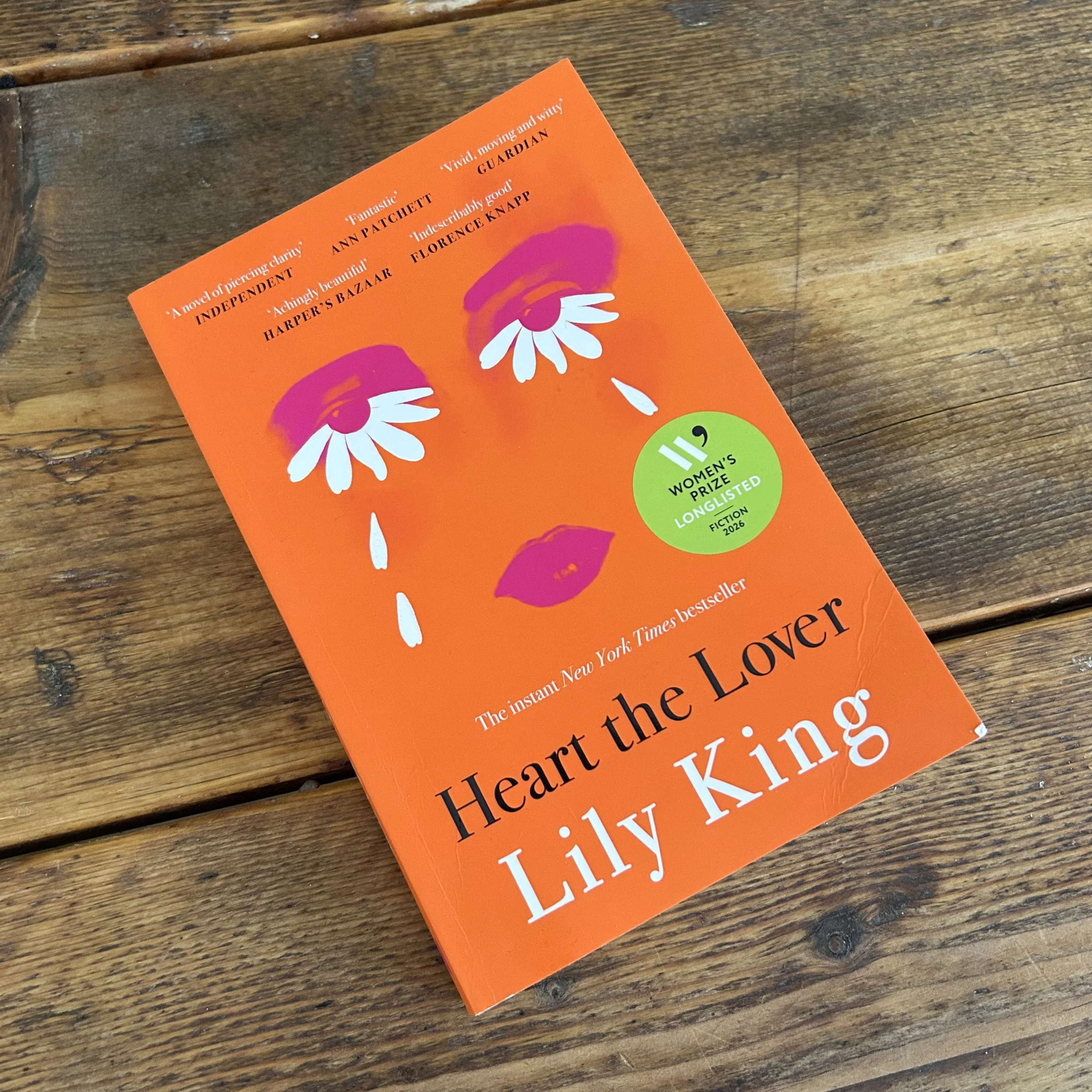
Heart the Lover (2025)
Heart the Lover begins in the 1980s, when a female college student meets two witty and intelligent fellow students, Sam and Yash, who come to play a very significant role in her life. Nicknamed ‘Jordan’ by the two men, she initially falls in love with Sam but his religious nature, stuffy family and his own tempestuousness (and generally dickishness if we’re being honest) soon put paid to that. She relatively quickly falls into a seemingly healthier relationship with Yash, but when she moves to Paris to become an au pair, he is distant in more senses than just the physical and seems less willing than Jordan to commit to their future together. When she returns to the US, he fails to meet her at the airport and she decides, heartbroken (and - unknown to Yash- pregnant) that their relationship is over.
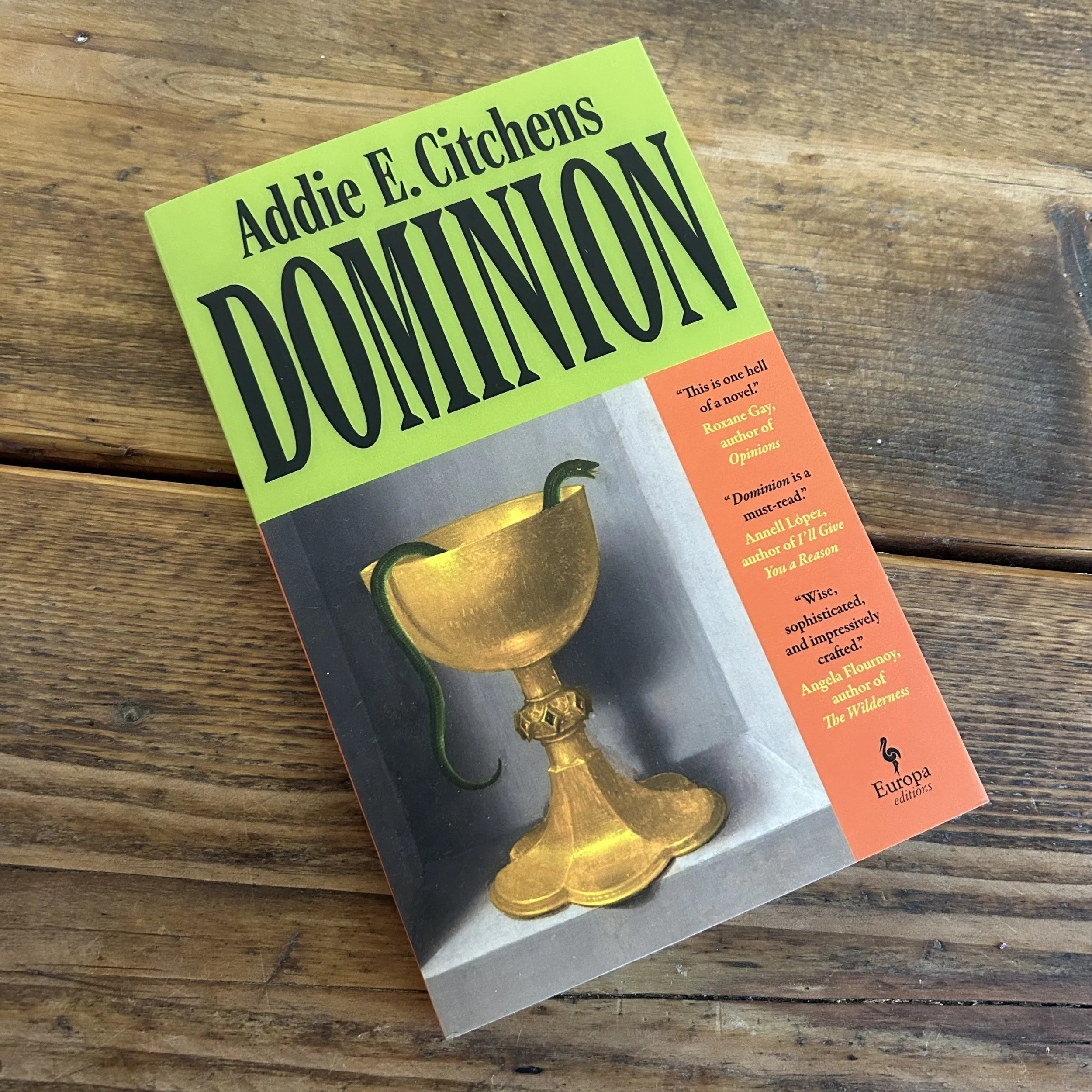
Dominion (2025)
Dominion is set in the fictional small town of Dominion, Mississippi in the year 2000. The novel focuses on the Winfrey family, with the family’s patriarch Sabre Winfrey Jr. the reverend of the Seven Seals Baptist Church, as well as a locally successful entrepreneur. The Winfreys outwardly represent the pinnacle of Southern Black success and religious devotion. Behind this facade, though, is a more unflattering reality, with Sabre’s relationship with his wife Priscilla somewhat broken by his relentless infidelities and hypocrisy.
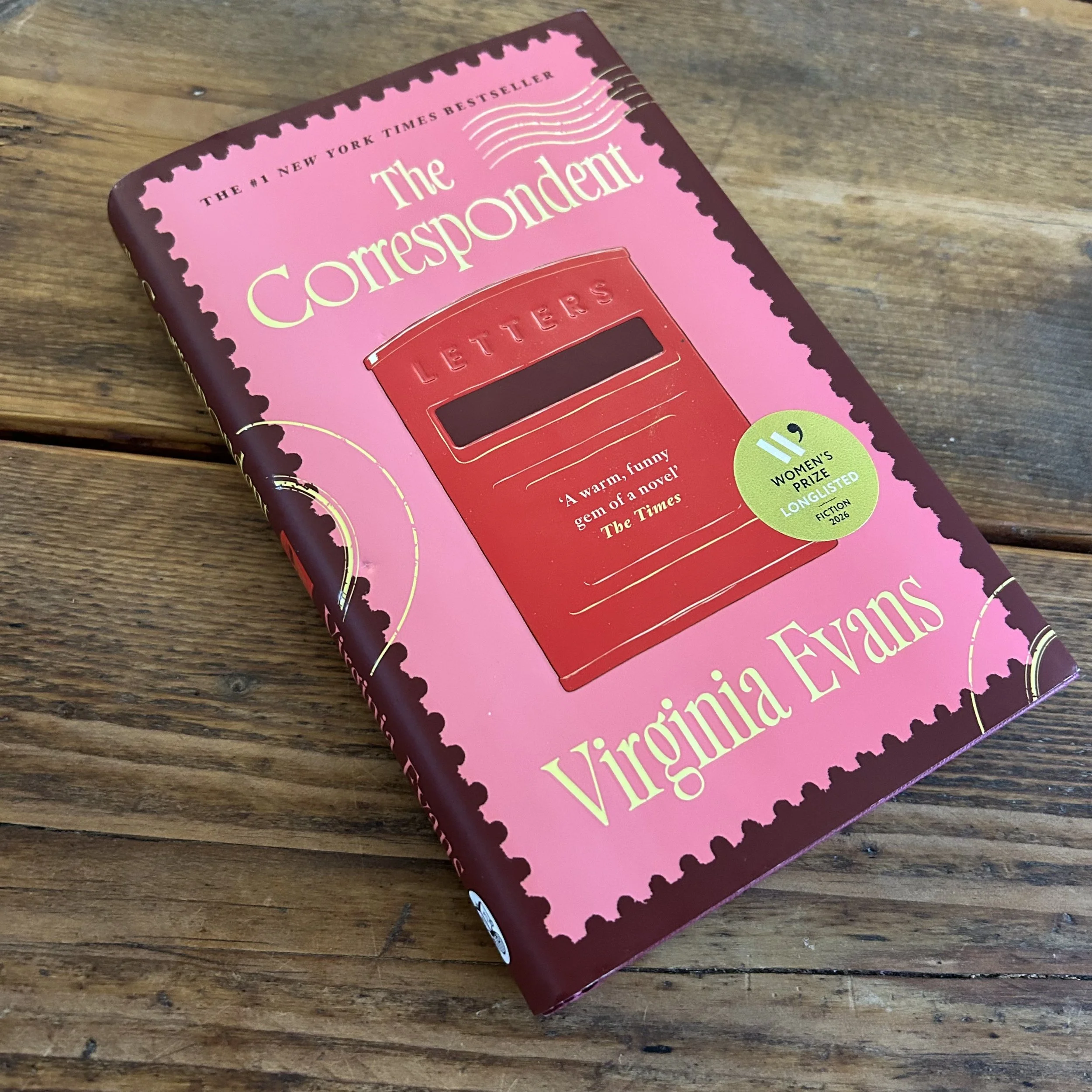
The Correspondent (2025)
The Correspondent is an epistolary novel told via the letters from and to the 73-year-old retired lawyer Sybil Van Antwerp, mostly covering a span of her later life in the 2010s. Living in Annapolis, Maryland, she is generally an ‘ordinary woman’ who is notable primarily for her commitment to the art of letter-writing (though she does also dabble in emails where absolutely necessary). The book covers her letters to friends and relatives, and the authors of books that she loves (including a notable correspondence with Joan Didion), as well as a few more interesting interchanges that form the basis of significant plot developments.
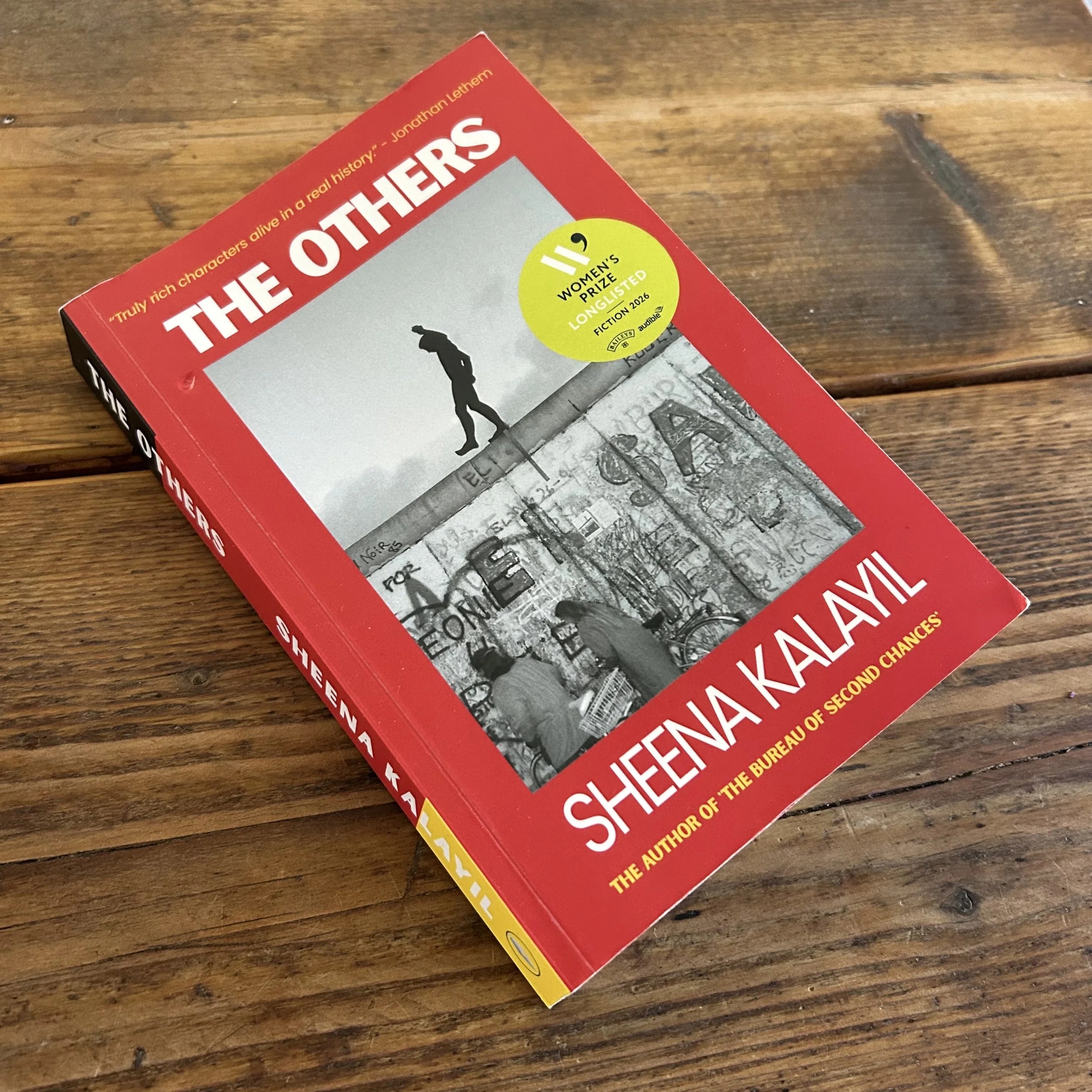
The Others (2025)
The Others is based in a ‘small coastal city’ (modelled on Rostock) in the north of East Germany, and begins early in 1989, prior to the seismic geopolitical changes that took place over the course of that year. It focuses on a love triangle between three very different characters: at the heart of it is Lolita, a medical student from India; with Armando (a factory worker on a labour exchange from Mozambique) and Theo (an East German mechanic and aspiring writer) vying for her attention. At the start of the novel, Armando and Lolita are on an early date, accompanied by Armando’s daughter Clara (with ex-lover Petra, an East German journalist), when they come across the body of a drowned man, who apparently lost his life while attempting an escape to Denmark. Their involvement in his discovery attracts the attention of the Stasi, leading to increased tensions over their already precarious position as ‘others’ in the tightly controlled regime.
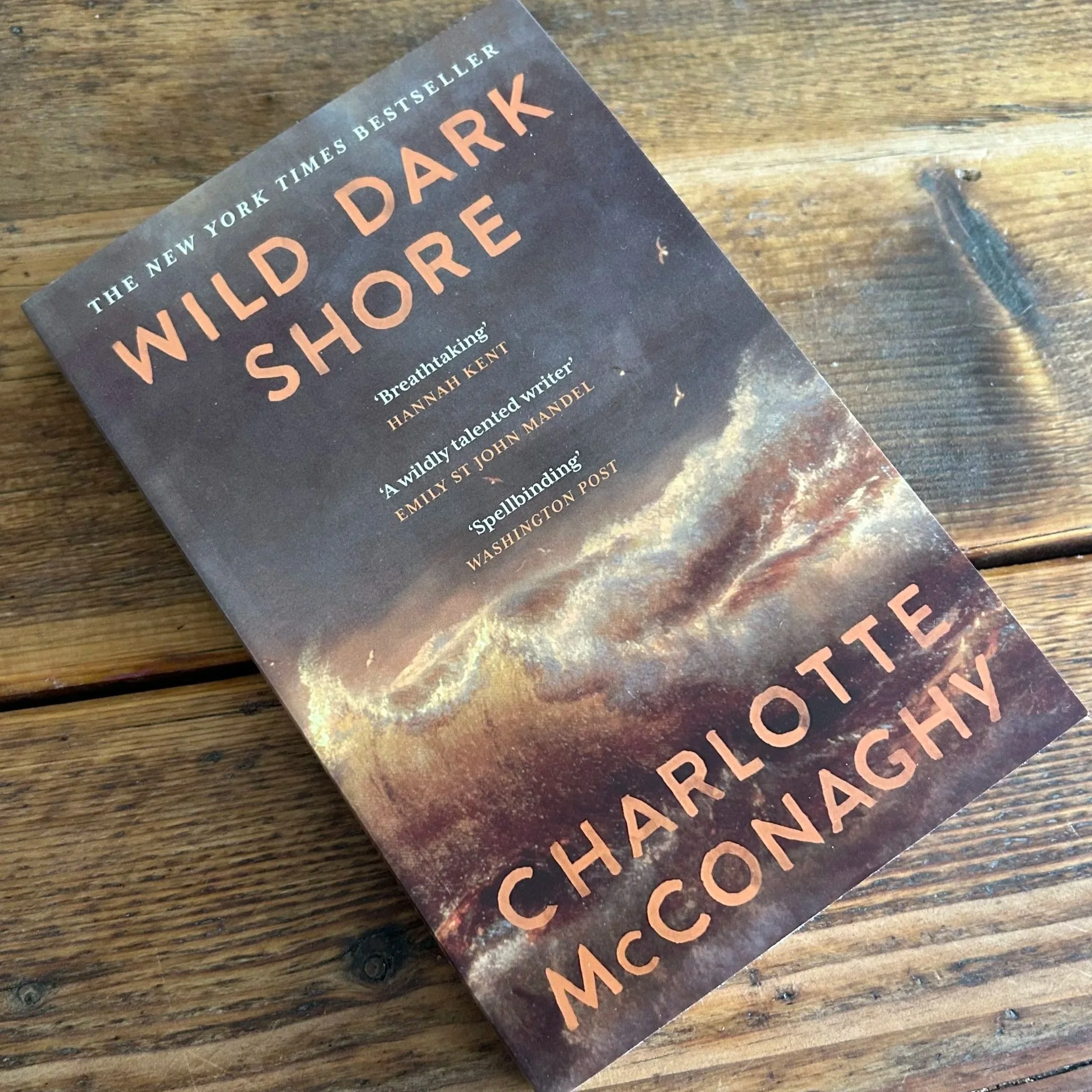
Wild Dark Shore (2025)
Wild Dark Shore is set on the fictional Shearwater Island (inspired by the real-world Macquarie Island) between Australia and Antarctica. Its sole inhabitants (aside from thousands of penguins and seals) are Dominic Salt and his three children. Following the departure of a group of research scientists as sea levels rise to dangerous levels, the Salt family are the sole caretakers of the world’s largest remaining seed vault. Their isolation is shattered by the arrival of the battered and barely alive body of Rowan. While the family nurse her back to health, there are evidently secrets on both sides. Rowan is both drawn to Dominic and his children and repelled by a succession of discoveries that raise suspicions.
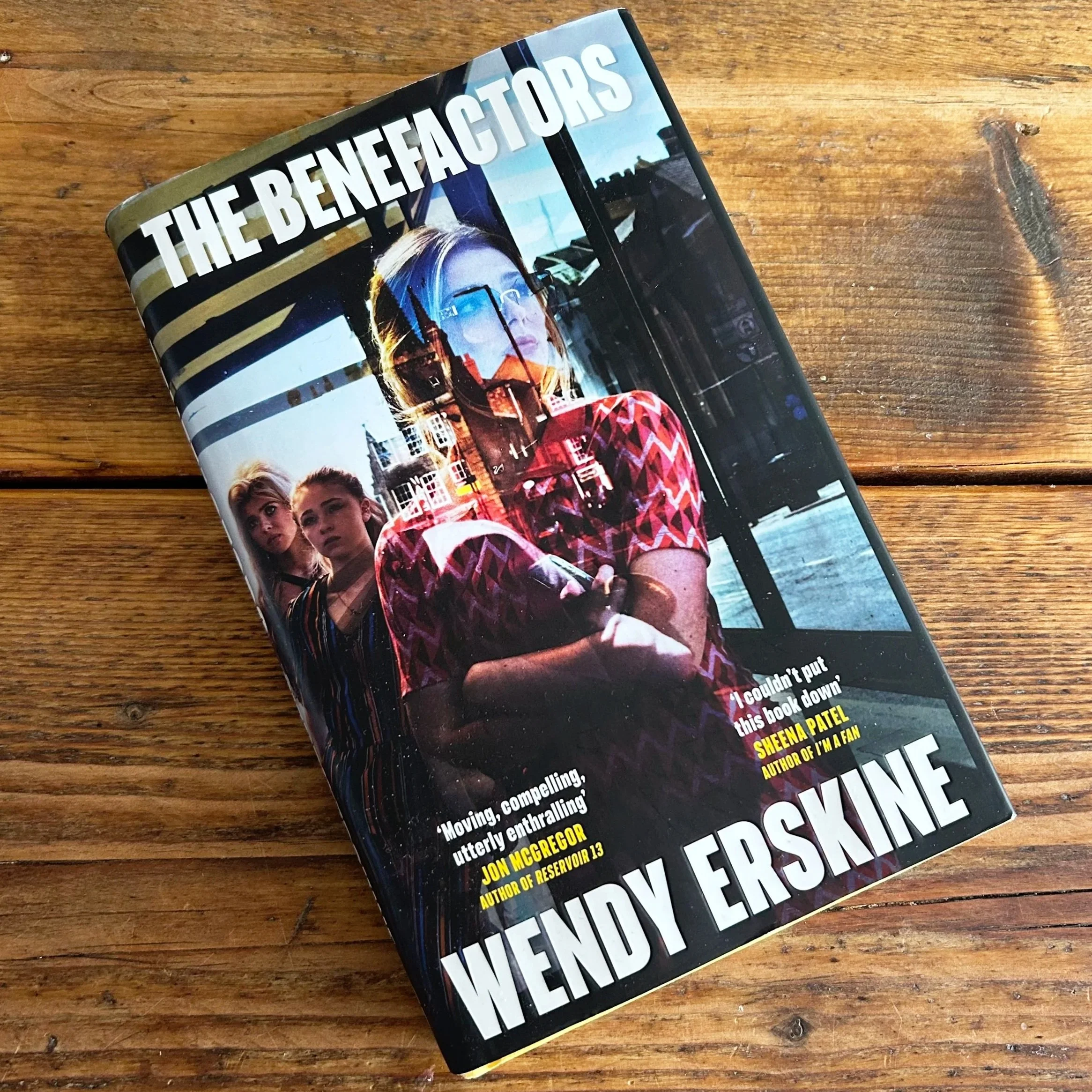
The Benefactors (2025)
The Benefactors is a novel told in a polyphony of voices, centring on the aftermath of a sexual assault that takes place at teenage party. Much of the novel’s focus is on the families of both the victim, Misty, and the three male protagonists. The young men’s mothers, while all very different, are part of a middle-class milieu that is utterly different from that inhabited by Misty, who lives in another part of town and is part of a family used to scraping money together to make ends meet. For her own part, Misty spends some of her time camming on an OnlyFans-style site called Benefactors (or ‘Bennyz’), which is used alongside her social status as ammunition by the mothers to discredit her. The book deals with this social divide, and the way in which the odds are stacked against the likes of Misty and her family, while those with money come together to protect their own, supported by a system that can’t be beaten.
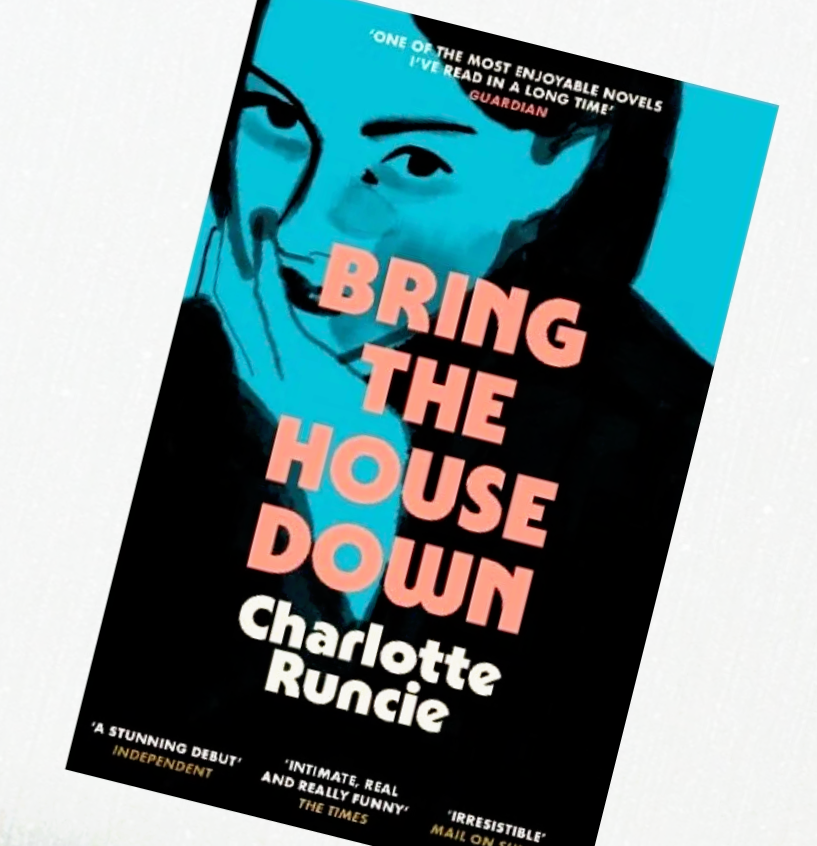
Bring the House Down (2025)
Bring the House Down takes place during the Edinburgh Festival, and focuses largely on the arts critic Alex Lyons, and the aftermath of a one star review he gives to a show at the festival. He’s clearly something of an amoral womaniser, and seems set to meet his downfall after sleeping with Hayley, the American star of the aforementioned one-star show before the review has been published. The novel is told from the perspective of Alex’s colleague Sophie, whose viewpoint is clouded not only by her proximity to Lyons, but also by grief, and difficulties in her own relationship and family situation, making her an interesting choice to narrate what seems to be an otherwise fairly black and white story.
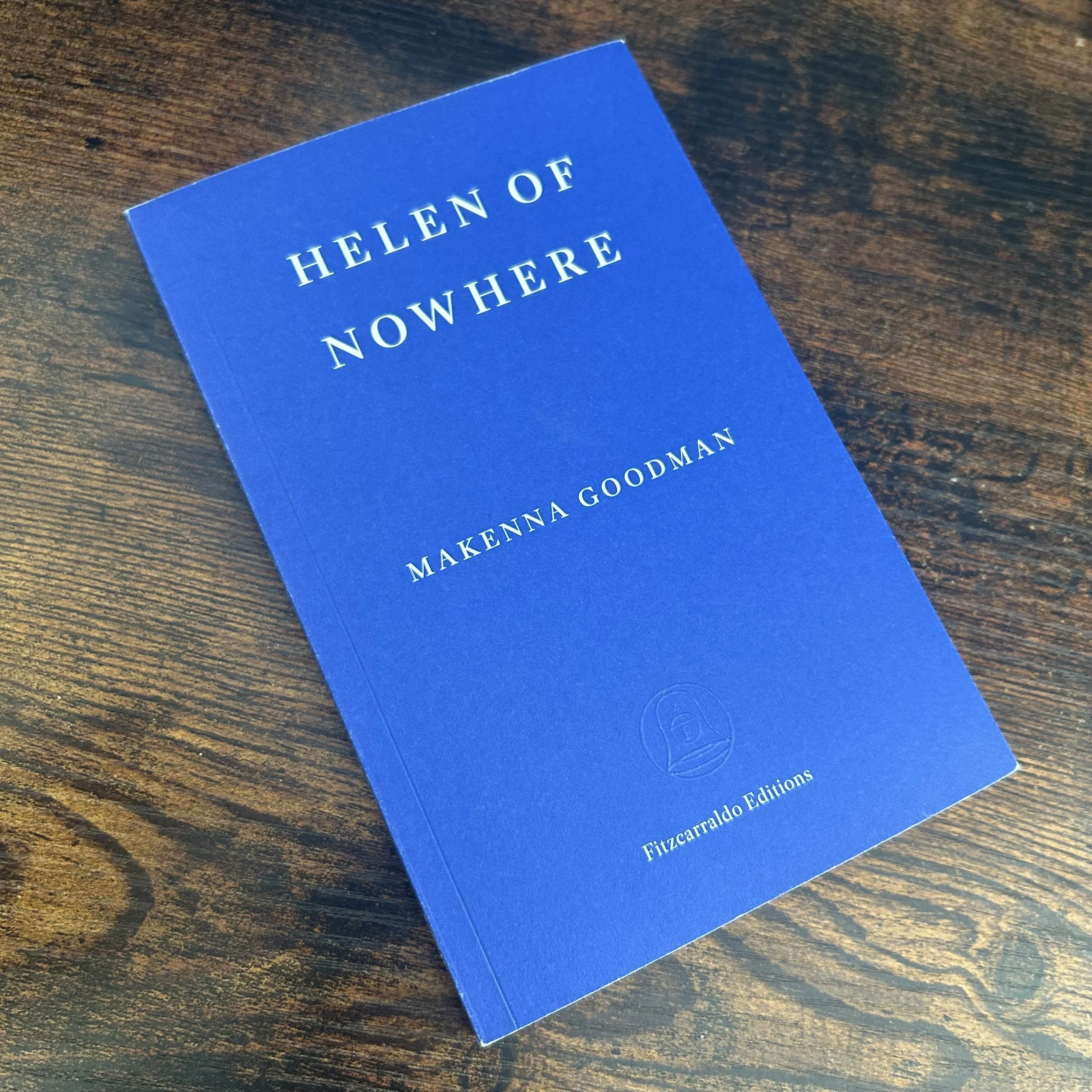
Helen of Nowhere (2025)
Helen of Nowhere focuses on an academic, known only as ‘Man’, who has recently lost his job as an English professor and separated from his wife (‘Wife’). He taught on largely transcendentalist themes, which are now being challenged by his (largely female) colleagues and students. His accusation that a student’s work may have been plagiarised was apparently the root of his dismissal, but he believes that he was in the process of being managed out in any case. His wife appears to have tired of him for numerous reasons, and is focused on her own writing career. ‘Man’ is considering a move to the country, and is shown around a large property by ‘Realtor’. The property’s former owner ‘Helen’ is now apparently in care, and has left the task of its sale to the realtor who apparently also lived in the house with her for some time.
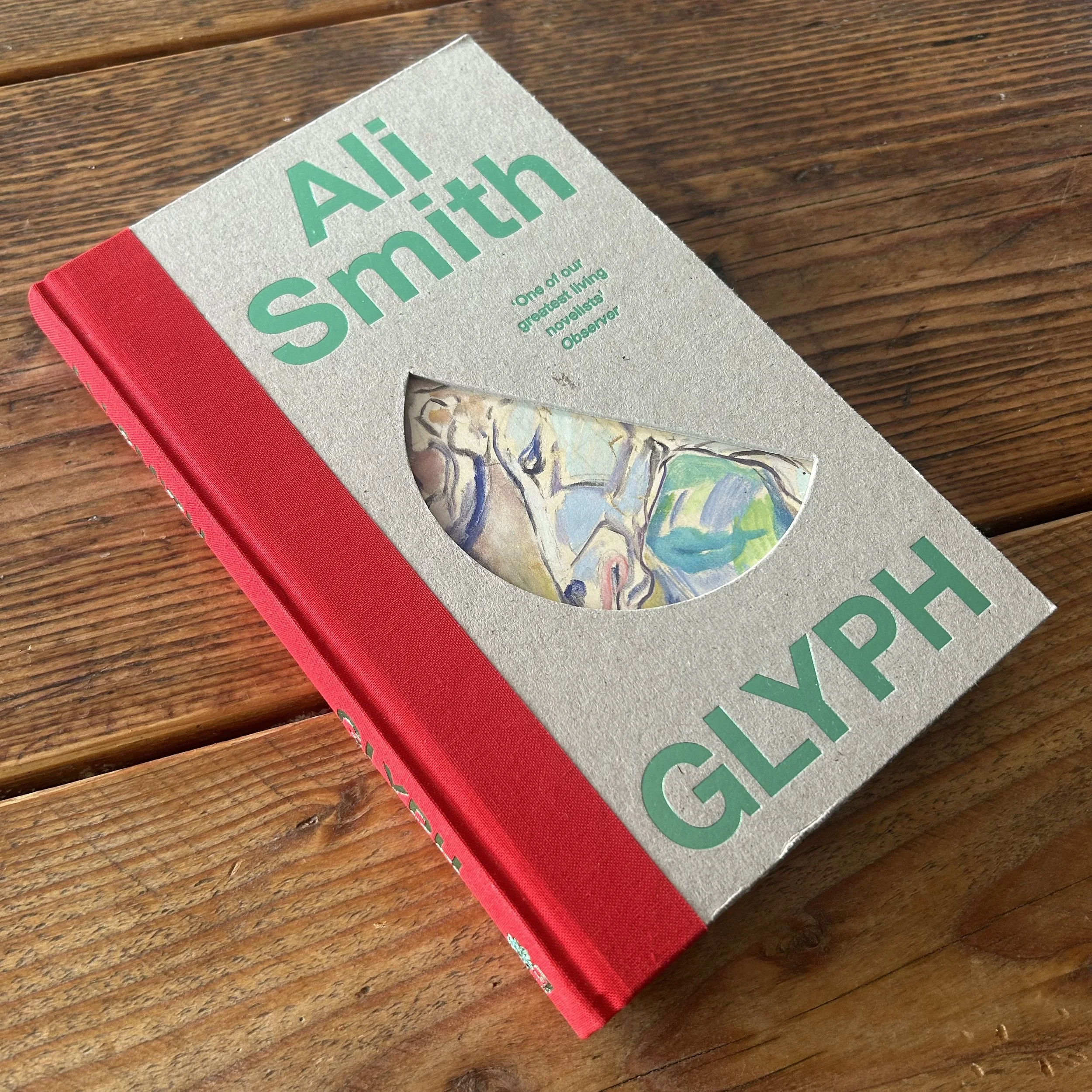
Glyph (2026)
Glyph focuses primarily on two sisters: Petra, the elder, and Patricia (or ‘Patch’). The novel is set in (roughly) the present day, but flashes back to look at the sisters’ childhood in the 1990s. At a family party, an elderly relative tells the story of seeing a man utterly flattened by tanks in France in the Second World War. The sisters create an imaginary friend from the unknown man, and name him ‘Glyph’. This story, and another war tale of a man in the First World War who was executed for desertion (following his unwillingness to put down a blind horse), continue to the haunt the sisters in the present day. Petra is still searching for details of the flattened man, and calls Patricia for help following years of estrangement after she believes she sees the ‘ghost’ of the blind horse in her bedroom, which (by whatever means) has been trashed.
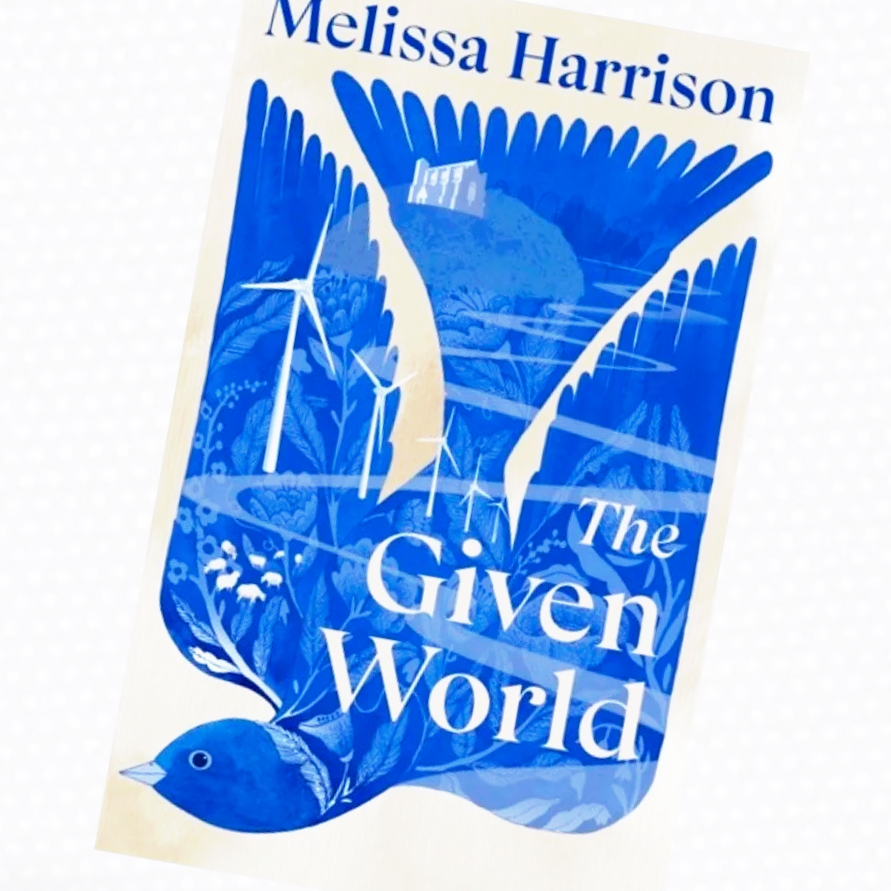
The Given World (2026)
The Given World is set in a rural community in the fictional village of Lower Eodham, in the Welm Valley in southern England. It’s set in a modern-feeling world, albeit one in which an unnamed (but very Climate Crisis-y) threat is more imminently looming. Its chapters take turns in offering the perspective of a range of characters who make up the village, each dealing with their own personal issues, from tragedies to minor conflicts, alongside Harrison’s documenting of the unravelling of the social and environmental constructs that held the village and its community together.
We Live Here Now (2025)
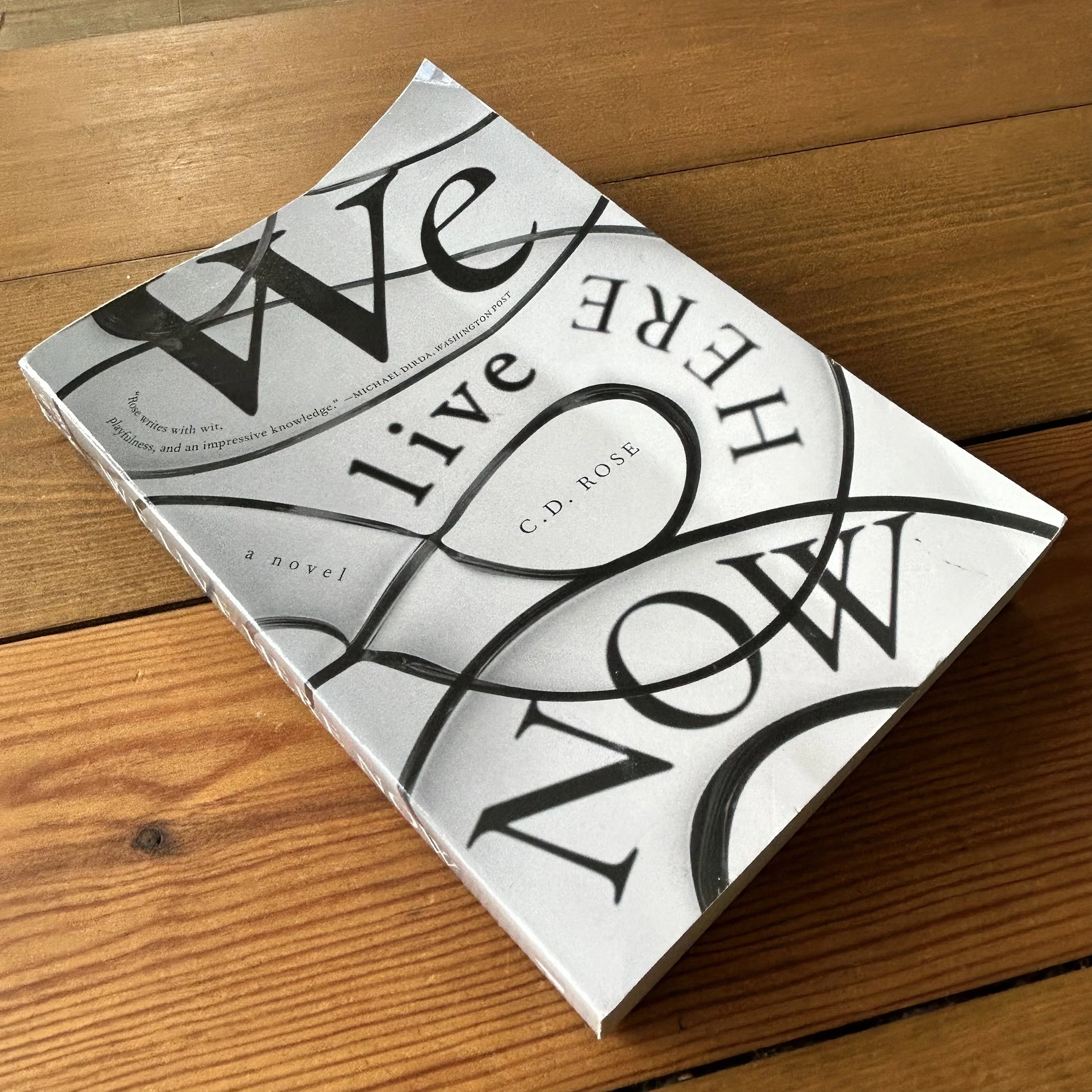
We Live Here Now is a set of fourteen short stories set in various corners of the modern world, connected (thematically and often more directly) by their positioning within the broad landscape of modern art and its intersection with commerce and capitalism. It begins with a fictional article by the critic Che Horst-Prosier about the equally fictional artist Sigi Conrad, who has disappeared following her most recent exhibition, which has become notorious for the apparent ‘disappearance’ of a number of its attendees. We are then introduced to twelve characters, seemingly all in some way connected to or impacted by Conrad, across the book’s stories, before most of the cast are reunited (for unclear reasons) in attendance at a mysterious talk, before we return to another article by Horst-Prosier on Conrad’s return, for an exhibition purportedly taking the form of a ‘Klein bottle’ (a device in which inside and outside are the same) and things get even weirder.
The North Road (2025)
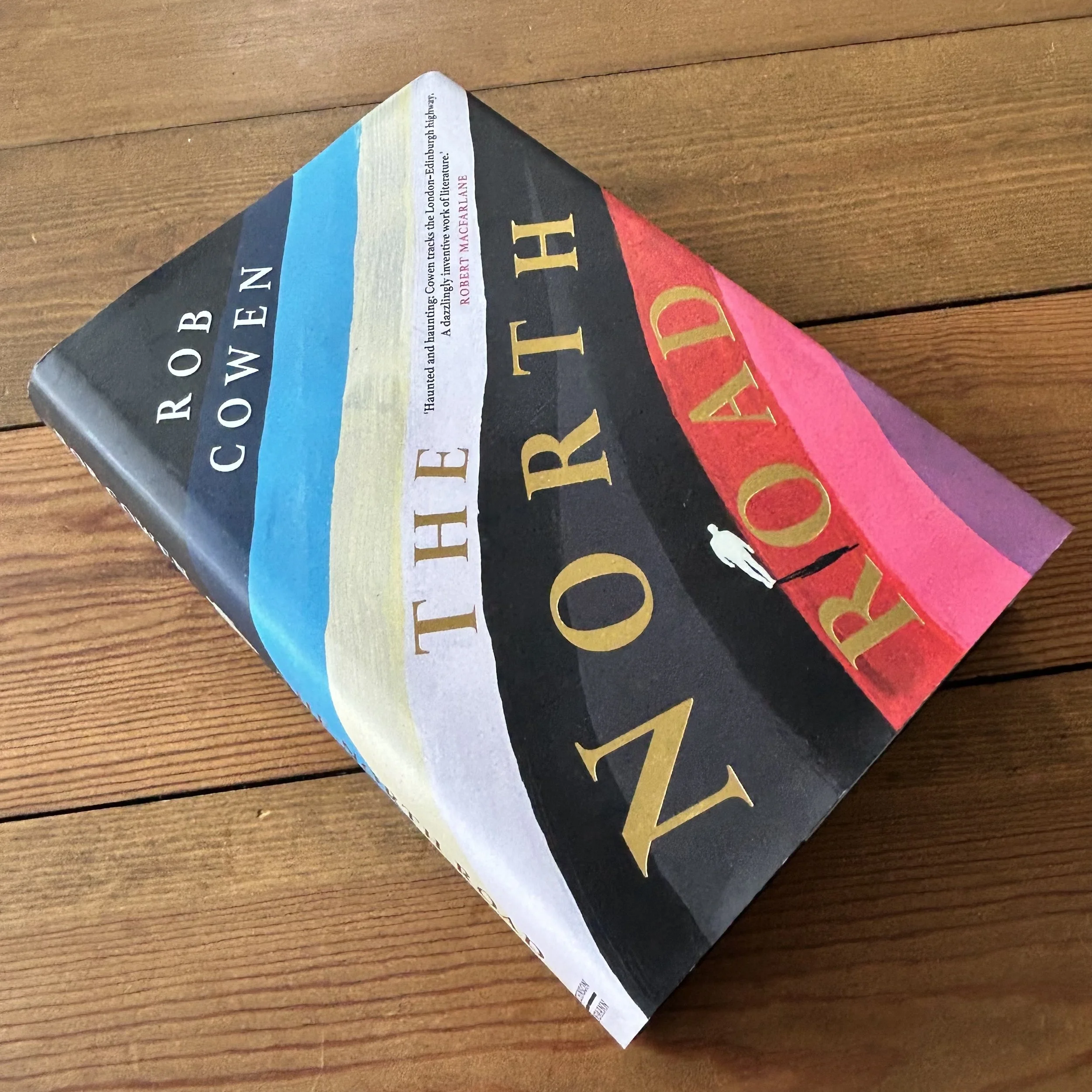
The North Road is one of those books that’s very difficult to categorise. Superficially, it’s fairly straightforward: a non-fiction book about Britain’s ‘Great North Road’, a 400 mile stretch that has existed in some form or other since Roman times, now known (for the most part) as the A1(M) motorway. Yet from its earliest pages, it’s clear that it’s a little more complex than that.
Vigil (2026)
Vigil takes us back to what many have dubbed the ‘Bardoverse’, that being a kind of purgatorial netherworld inhabited by the dead that formed the primary focus of Lincoln in the Bardo. Here, though, the setting is the present day (or thereabouts) and instead of a graveyard we largely find ourselves at the bedside of a dying man, the powerful oil executive K. J. Boone. We are introduced to him through the eyes of Jill “Doll” Blaine, a young woman who died (in a rather unfortunate case of mistaken identity) in the 1970s, and has been sent to ‘comfort’ Boone through his dying moments. While she has been through this process more than 300 times in her afterlife, Boone represents an entirely new experience for her. He is an unrepentant architect of climate change, and even aside from that, a man with precious few redeeming qualities.