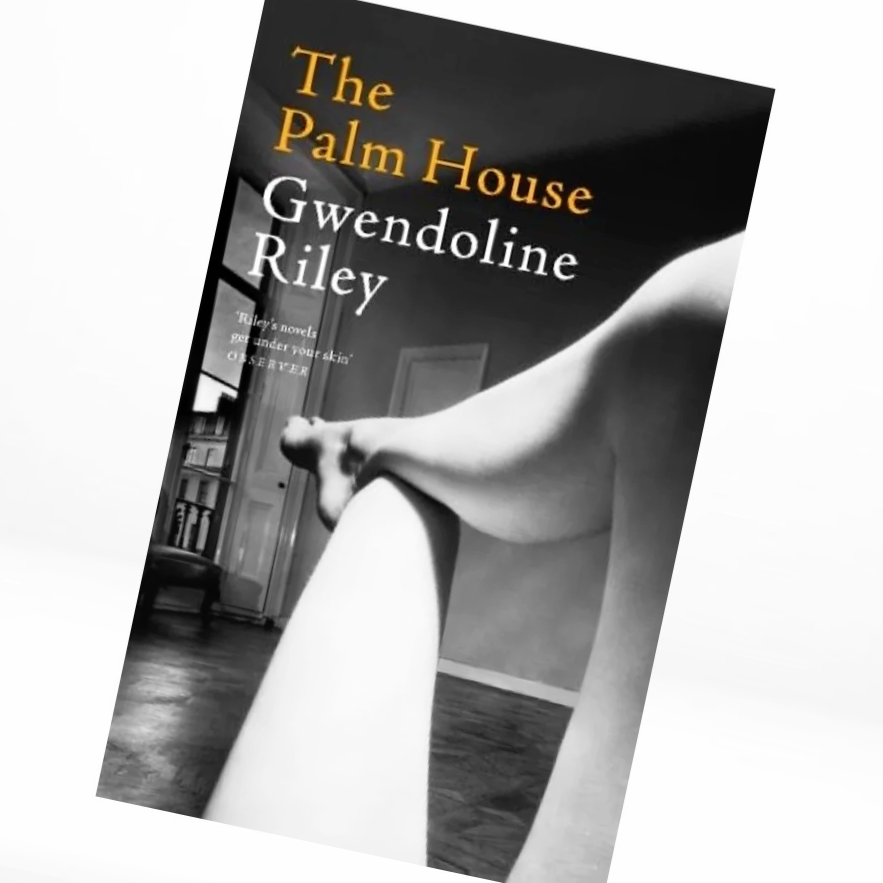
The Palm House (2026)
Why this one?
Just one that caught my eye on Netgalley, for no specific reason. This is my first book by Riley.
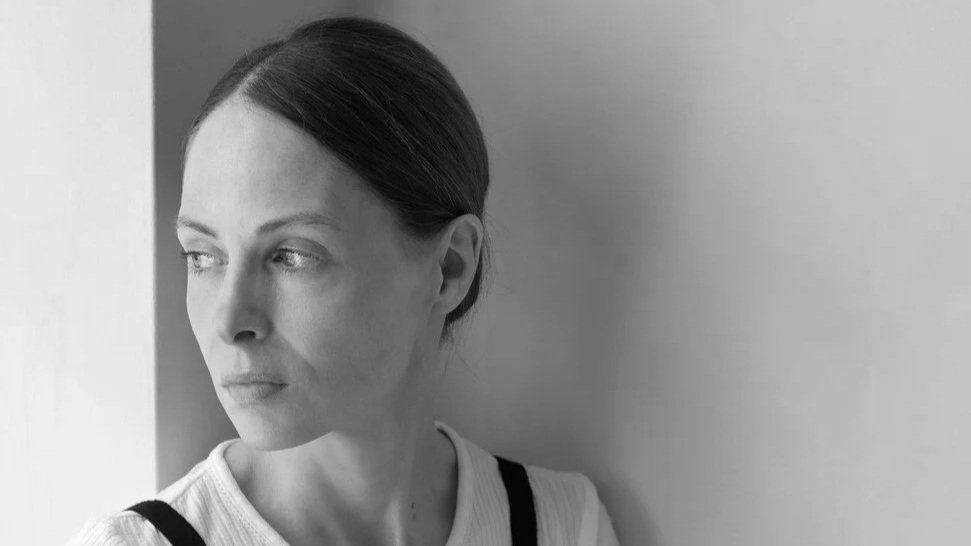
Gwendoline Riley (1979- ; active 2002- ) was born in London and grew up on the Wirral, with her grandparents following her parents’ divorce. She has said in interviews that she considers herself estranged from her parents. She attended Manchester Metropolitan University, where she studied English Literature. She lived in Manchester and Glasgow for several years before relocating to London in 2011.
Her writing career began in 2002 with the publication of her first novel, Cold Water, written while still at university, which received a Betty Trask Award. She followed this with Sick Notes in 2004 and Joshua Spassky in 2007, which won a Somerset Maugham Award. Her subsequent novels include Opposed Positions (2012), First Love (2017), and My Phantoms (2021). 2017’s First Love was shortlisted for the Women’s Prize (losing out to Naomi Alderman’s The Power), the Goldsmiths Prize and the Dylan Thomas Prize, and won the Geoffrey Faber Memorial Prize. She was elected as a fellow of the Royal Society of Literature in 2018.
The Palm House will be published by Picador in April 2026. Thanks to them and Netgalley for the ARC.
Thoughts, etc.
The Palm House focuses on the friendship between Laura Miller (the narrator) and Edmund Putnam (known mainly as ‘Putnam’) two characters working in the London media landscape, set close to the present day. Over the course of a long weekend, they meet several times for drinks and crisps, and discuss the state of their lives, and share stories from their past. Putnam is coming to the terms with the death of his father and dealing with the arrival of a terrible new boss at Sequence, the cultural publication he has spent decades working for, and Laura is still somewhat in the shadow of her performative and over-the-top mother, and is somewhat listless in her current life and looking for ways to improve her circumstance.
It’s a brilliantly observed book, albeit one in which nothing especially dramatic actually happens. It’s more of a character study, about the small solace of friendship when one’s life is otherwise not going to plan, as well as something of a wistful elegy for a passing generation, one that feels especially particular to the changing nature of life in London in the early decades of the twenty-first century. Its characters observe a changing London from the one that they have lived in for much of their lives (for Putnam, one that gave him meaning and purpose for decades; for the younger Laura, one that promised much but delivered little of substance beyond a lot of ‘bad parties’) - a world that perhaps peaked in the nineties and saw its decline with the 2008 financial crash. Some of the changes they observe are relatively superficial, amusing grumblings of the middle-aged and relatively privileged (kids these days don’t know how to have fun, and suchlike) and others are heavier in their implications (the inability of a younger generation to experience the kind of London lives that they did, with stratospheric increases in relative cost of living pushing new entrants out of the capital entirely).
Its primary pleasures are in its character-driven vignettes. In the present day, the arrival of the obnoxious and vacuous Simon ‘call me Shove’ Halfpenny at Sequence is relatably cringeworthy, as a man utterly devoid of substance blunders his way through an attempted rebrand of the magazine. In Laura’s past, there are more rich pickings in terms of the weird and occasionally despicable men she has encountered on her way from escaping the shadow of her mother to landing in her present world, from the relatively light descriptions of various media toffs she drunkenly encounters through to the genuine horror in the retelling of the result of her teenage infatuation with a comedy ‘icon’.
These characters and their stories make for compelling and often entertaining reading, and I enjoyed the evocation of a London I know well, and especially the contrast between its alternately grimy and glamorous appeal in former glory years, contrasted with the hollow bluster of its modern-day inhabitants. Not everything worked for me, though. While it’s been an interesting one to chew on afterwards, I didn’t immediately grasp with any clarity what it was trying to say. In some sense that’s a strength, as it’s the sort of book that doesn’t offer easy conclusions, preferring a more observational take on its subjects. But at times it did feel a little frustratingly ‘bitty’ and lacking in focus. It’s also somewhat narrow in its focus, and not necessarily in an especially fresh space - the London media bubble is certainly one that has been well-covered over the years by literary fiction.
Score
7.5
Overall, though, an enjoyable and obviously well-crafted short novel, and one that makes me keen to go back to check out some of Riley’s earlier work.
Next up
TBC.