
The Disappearers (2026)
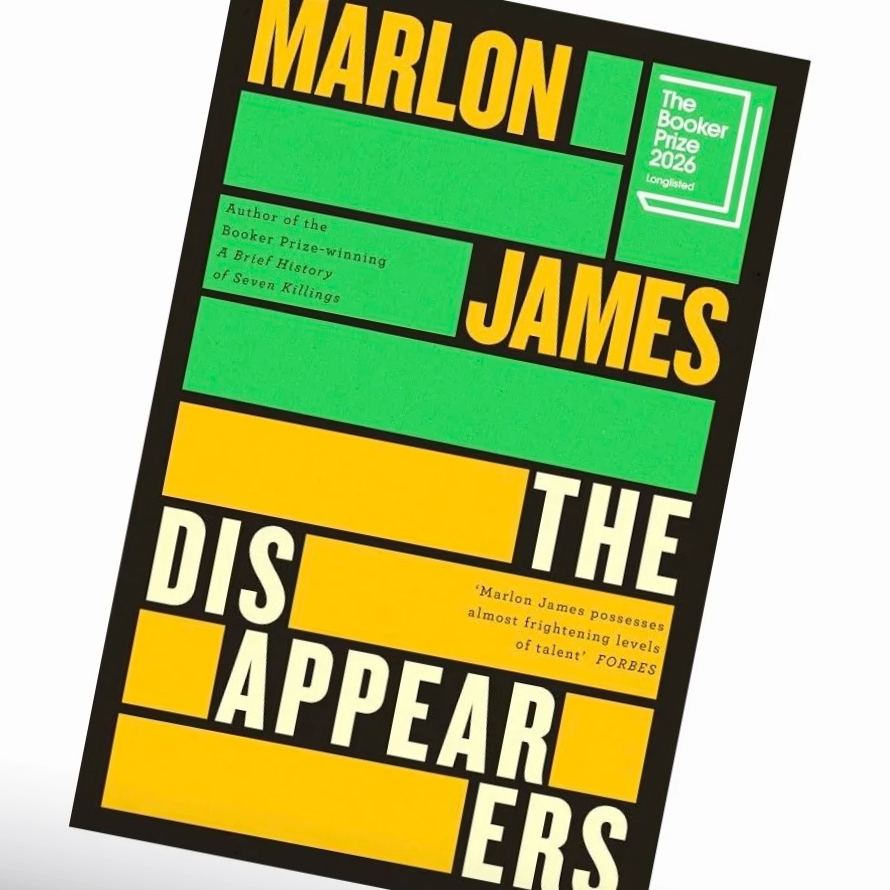
The Disappearers takes as its starting point a 1988 clandestine theatre group, a rather disparate selection of local gay men who answered the coded call to audition for a production of Canadian playwright John Herbert's prison-set drama, Fortune and Men's Eyes, directed by the veteran Cambridge-educated Havelock Titus. Its first section is narrated by the white-passing Belgian-Jamaican youth Eddy Porteous, who has (compared at least to his peers) a relatively straightforward home life, and sits kind of on the periphery of the group, some of whom have prior connections and are at least generally more immersed in the real-world realities of living as a gay man in Jamaica. He develops a fascination with the beautiful half-Chinese Mat Chin, and begins to notice the difficulties experienced by another fellow actor, Jordan Brown. By a quirk of fate, Porteous misses the rehearsal on the night when it is overrun by a bloodthirsty homophobic mob, inspired by (and ring-led by) the local dancehall artist Streggeh Don, whose hate-filled hit ‘Batty is not Pussy’ has become something of an anthem for many of the worst elements of Jamaican society.

The Booker in the 2010s
The 2010s were a hugely significant decade for the Booker, largely due to the shift in rules which came into place in 2014. From that year onwards, the Prize was open to all novels published in the English language, replacing the long-held (and many might say, dated) criteria that focused on authors of British, Irish and Commonwealth heritage. This shift led to a lot of hand-wringing and fretting about the potential “domination” of the Prize by US authors, and a dilution of what the Prize stood for.

A Brief History of Seven Killings (2015)
A Brief History of Seven Killings is about an attempt on the life of Bob Marley in 1976. Except, of course, it’s about far more than that. It’s also far from brief at almost 700 dense pages, and covers considerably more than seven killings, typically in graphic and visceral detail. It’s actually about several decades of complex and violent Jamaican history, told through a multiplicity of voices from gang leaders to politicians, journalists and seemingly peripheral “ordinary” people. Oh, and a ghost. Because of course.