All That Man Is (2016)
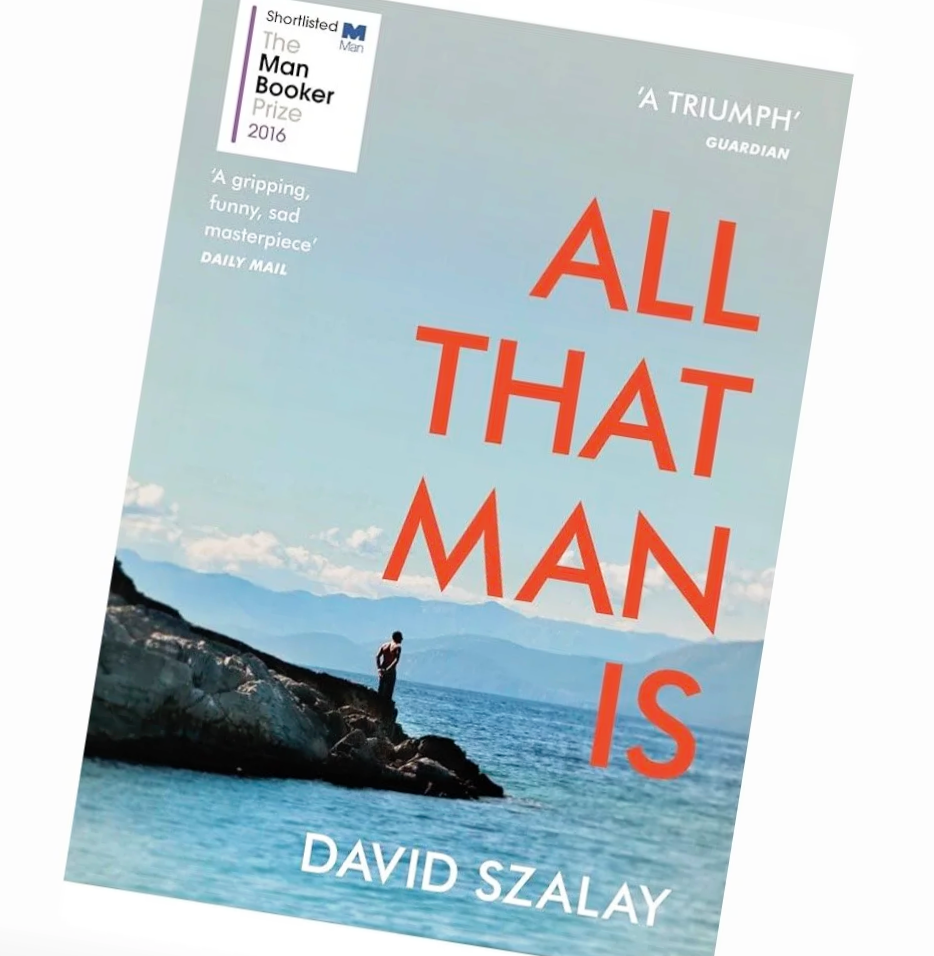
Why this one?
I really enjoyed Flesh and thought it was a worthy Booker winner in a strong year for the prize. I’ve since heard a lot of people saying that this is actually the better book and I should check it out (despite being shortlisted, it predates my regular reading of the Booker shortlist).
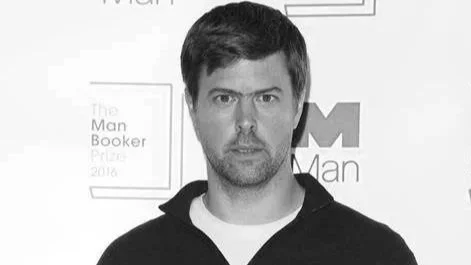
David Szalay (1974- ; active 2008-) was born in Montreal, Canada to a Canadian mother and a Hungarian father. He grew up there before moving to England where he studied English at Oxford University. After his studies, he worked in various sales jobs before starting to write. He now lives in Budapest with his wife and two children.
His first collection of short stories, London and the South-East, was published in 2008 and won the Betty Trask Award. He was included in the 2013 edition of Granta’s once-a-decade Best of Young British Novelists list. 2016’s All That Man Is won the Gordon Burn Prize and was also Booker shortlisted (in the year that Paul Beatty’s The Sellouttook the Prize). His most recent novel, 2025’s Flesh, of course won the Booker.
Thoughts, etc.
All That Man Is comprises eleven short stories, each told from the perspective of a different man. The stories cover men of different ages, loosely in ascending order, beginning with a student and ending with an octogenarian nearing the end of life. Its eligibility for the Booker depended on it being considered a novel, which is something of a stretch. While there is one direct connection made between characters in different stories, and several others implied, the connection between the tales is more thematic than anything else, so in many senses not unusual for a short story collection., Which, let’s be honest, this is. Where Flesh took as its focus the full life of one man, this book instead views that same span of life through the eyes of a range of different men. While there are obvious differences, though, between the men, with some significant variation in social status alongside the obvious variety of ages, there are also many similarities. Is the book ‘all that man is’ in the sense of man in his ‘rich diversity’, or rather, ‘all that man is’ in the sense that, ultimately, there is not much to set us all apart? Is this limited range part of the point: at the heart of it, we’re all driven by the same few things and all destined for the same outcome?
It was those connections that I really found most interesting in this book, trying to figure out what it is that connects these somewhat disparate men. One of the stories ends with a man contemplating suicide, and I did at one point have the somewhat dark thought as to whether that’s a connecting thread - many of these men do appear to be struggling to make sense of their lives and could feasibly be approaching a similar point of no return. On reflection, that’s maybe an overly morbid reading of their circumstances. What seems harder to dispute is that there’s a running theme of shame through most of the stories. Whether it’s the shame of reduced status, the depths one might sink to in the pursuit of short term satisfaction, or (more commonly) a sense of missed opportunity and a kind of shame in the disbelief that emerges when a character assesses their life at a certain point and realises that what they have is all they have - in many cases an inflection point at which we’re left hanging, as to whether the character will see that revelation as a cue to embrace that life, however much smaller it may be than what they had imagined for themselves, or to take a darker conclusion.
Another obvious connection between the characters is their dislocation. There’s a lot of travel in here, mainly around Europe, despite all of the characters having a form of connection to the UK. I don’t know if it was an accident that this came out in the year of the catastrophic Brexit referendum, but if so it certainly feels timely in its depiction of the essential interconnectedness of the continent and its people. Thematically, though, I think what I mainly took from this was the sense of rootlessness of many of these characters, the sense that much of their fate might be determined by their wandering nature, away from (by choice or necessity) any real sense of community. Their relationships tend to be loosely held, with family often absent or far away, and relationships provisional or contingent, often a background to their immediate situations, typically undertaken in solitude or the company only of colleagues or acquaintances of convenience.
It’s that lack that seems to define the book’s characters. They are all, in one way or another, seeking something to fill that void. By and large, that seems to be either sexual fulfilment or through some facet of their career (which all too often has become their main source of identity). Those that deviate from these desires, such as the young student who finds art and culture to be his limited source of solace, or the older man (who we learn is the student’s grandfather) who has perhaps begun to transcend these concerns and find some kind of settled acceptance of his life’s purpose - again however limited - seem to be the odd ones out, and their connection at the end of the book is perhaps a deliberate offering of a point of hope, that there is something to be salvaged from the mess of most of the confused and desperate lives within this book.
Score
9
I enjoyed this a lot, perhaps not more than Flesh but certainly just as much. There’s obviously been some chatter of late about how Szalay’s ‘recentering of the male experience’ is something that is hardly necessary when we have had so many years of male domination of prizes and suchlike, but I think that’s largely a media invention and not entirely Szalay’s own intent (despite the gradiose title of this older book). I think he’s simply writing from a perspective he knows, not necessary revealing any grand secrets of man but instead brutally highlighting the flaws of many of our kind in the tradition of the likes of Martin Amis and Edward St Aubyn, both writers I’ve seen his work logically compared to.
Like the sound of this one? Buy it at bookshop.org.
(If you click through and make a purchase, I may earn a small commission from Bookshop.org at no additional cost to you, which helps support local independent bookshops. I’ll only share these links for the highest rated titles on the site. )
Next up
More random reads since we’re (at least for a bit) out of major prize season.