John of John (2026)
Why this one?
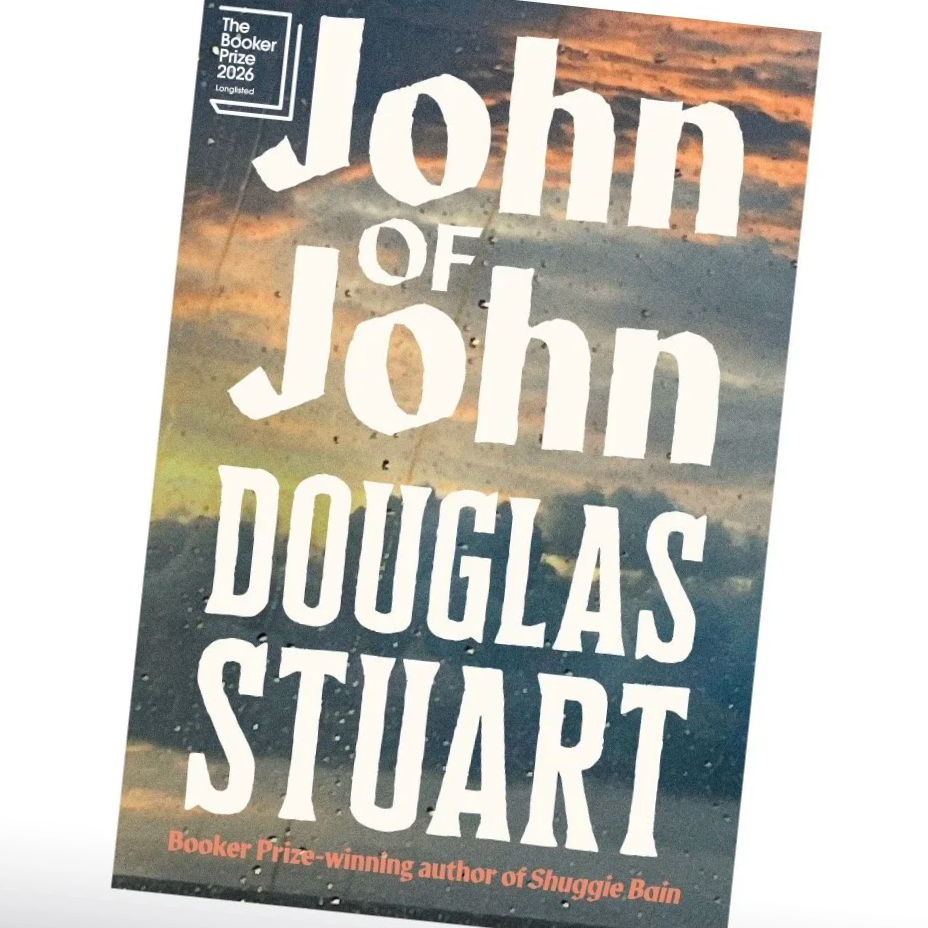
I’m reading some selections from the 2026 Booker Prize longlist . This one was on my TBR anyway, so inevitably had to give it a go.
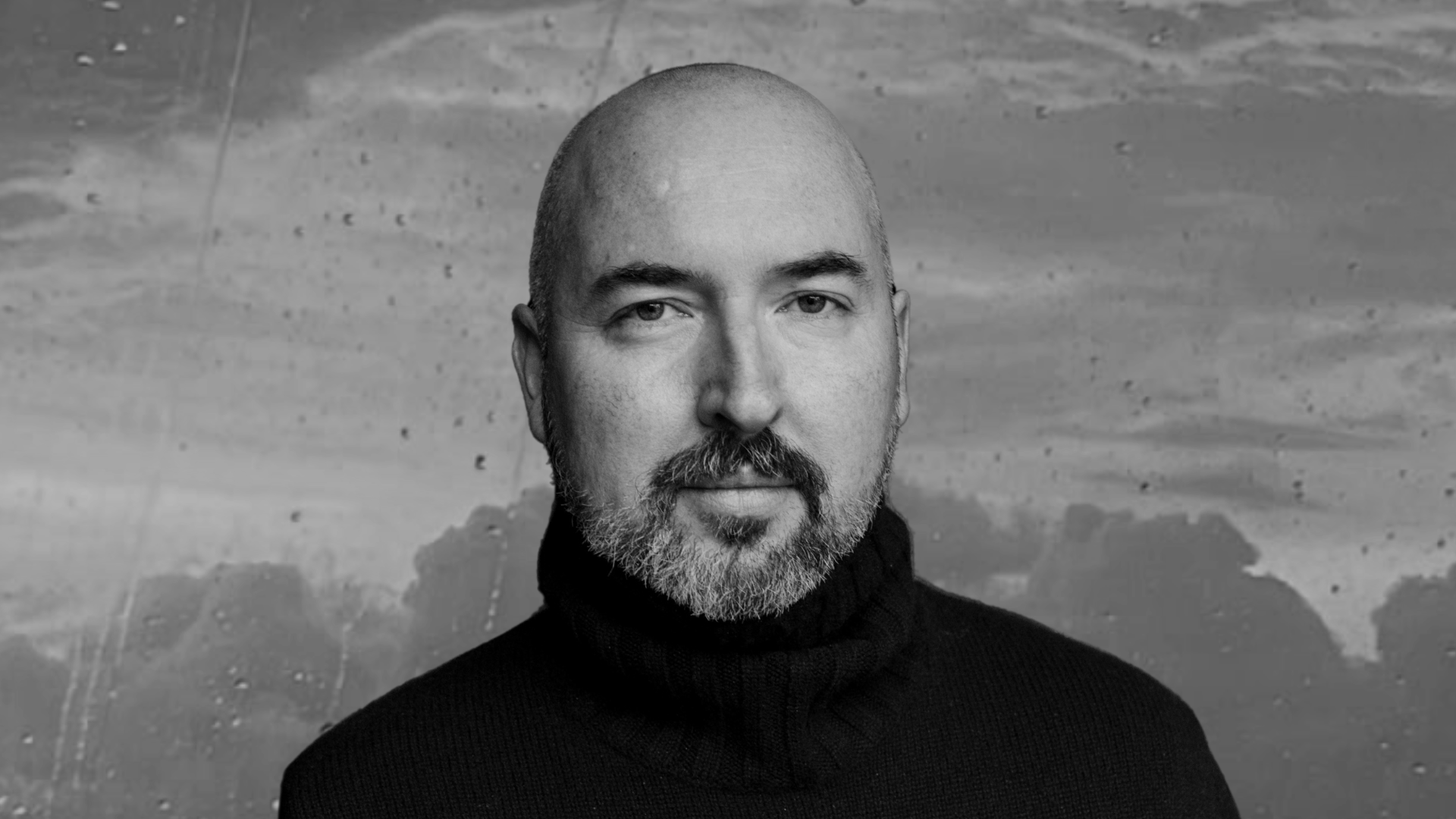
Douglas Stuart (1976- ; active 2020- ), was born in Sighthill, Glasgow, Scotland. The youngest of three siblings, he was raised in poverty by a single mother battling alcoholism and addiction. After his mother died when he was 16, he lived briefly with his brother before moving into a boarding house. He was discouraged from studying English literature at university by a teacher who said it would "not suit someone from his background", and instead studied textiles at Heriot-Watt University and then a masters from the Royal College of Art in London.
He then moved to New York City to begin a career in fashion design, working for a range of brands including Calvin Klein and Ralph Lauren for over 20 years. He began writing alongside 12-hour shifts as senior designer at Banana Republic. His debut novel was 2020’s Booker-winning Shuggie Bain, prior to which Stuart had published only a few pieces (an essay on Lithub and a short story in The New Yorker.) Despite favourable reactions, his debut novel was rejected by 32 US publishers and more than a dozen in the UK, many of whom suggested it would be difficult to market. The rest, as they say, is history, for one of the most commercially successful Booker winners of recent years. A TV adaptation by the BBC was announced in 2022 but as of now appears to be ‘stuck in limbo’ as a result of funding issues. He followed it up with Young Mungo in 2022, and John of John (published earlier this year) is his third novel.
Thoughts, etc.
John of John focuses on John-Calum (“Cal”) McLeod, a recently graduated textiles student living in Edinburgh. He’s called back to his home in a remote Hebridean croft by his devout Presbyterian preacher father John, under the guise of helping look after his ailing maternal grandmother, Ella, who has lived with the pair since Cal’s mother left. Cal is gay, but very much not openly so, and his outsider status and ‘mainlander’ style and manner immediately cause conflict with his father. As the book progresses, we learn that Cal isn’t the only one in the family with secrets. (Spoilers ahead!)
The atmosphere of the book is one of suffocating tension, an environment in which everyone knows everyone’s business, and (to most of the inhabitants’ minds) a judgemental God looks over all. Interactions are conducted on the basis of long-established norms (religious, societal, familial and cultural/traditional) and we get the sense that for most islanders, any sense of authentic self has been long-repressed. Of course, in an environment such as this whatever is so firmly repressed cannot be contained indefinitely, and tend to surface brutally and violently when the pressure gets too intense. This is the case with Cal’s father John, whose own buried desires occasionally surface in irruptions of violence, often directed at his son.
Those desires are primarily focused on his male neighbour, Innes, with whom he has conducted a sporadic relationship over many years, which ultimately caused his wife (Cal’s mother Grace) to leave him (somewhat controversially, for a relationship with John’s brother). Cal, of course, is unaware of this, meaning that the tension suffered by the protagonists spreads uncomfortably to the reader: for all its depth and beauty, this book is also one in which the reader sits uncomfortably on the edge of their seat throughout, imagining what form of tragedy is going to befall the McLeods and how badly it’s all going to end.
Ultimately, while there is a more straightforward tragedy in the book (itself borne of another family’s issues with repression), the real tragedy between Cal and his father is the one that has unfolded over the course of their lives: the unbearable torment each has been living through which could have unfolded so differently had openness been possible. This isn’t a straightforward judgement passed against either of them: while John undoubtedly comes off badly in many ways, his fatal flaw is effectively his subservience to his religion. But even at that level, the book isn’t necessarily black and white, for his generation of islanders, the perception at least is that none of these things are a choice - traditions and ways of doing things, the ways of family life and above all obedience to an all-seeing ‘God’ are not optional, but as fundamentally fixed in their workings as the method of producing Harris Tweed. We learn that the latter art is dying out in the book’s late-1990s setting. John’s tragedy (and ultimately Cal’s) is that he’s unable to see that those other things he and his generation held so firm should perhaps also be going the way of the Tweed. The book’s ending offers hope, albeit qualified hope, that things may finally be heading in the right direction, but not without an acknowledgement that in many senses it has come much too late.
It’s a typically brilliant and beautifully written book from Stuart, proving that his often autobiographically-informed work can thrive beyond the urban Glaswegian confines of his first few books. The Hebridean setting gives extra layers to some of his same major themes: where in his previous books, characters at least clearly knew where they and those around them stood, and the violence and other cures for repression and depression (such as alcoholism) were often verry much above the surface, in John of John even when reality does surface in blinding obvious ways, it is not to be commented on, but buried further and further until the tension can no longer hold.
The setting is also wonderfully evoked. It sounds like Stuart did a significant amount of ethnographic research and immersion in the culture in order to present this unique part of the world so authentically, and the value of that shines through in the results. It’s a cliche of sorts, but the landscape is very much a character in this book, and in many ways the most magnetic one of all. Speaking of characters, I’ve barely mentioned the matriarchal Ella, who is definitely the most memorable human in the book. She’s a brilliant creation, almost left behind by her daughter in an attempt to use her wily ways and constant needling to get John to try to develop beyond the confines imposed by his multi—layered repression, but never quite managing it and therefore ending up as another source of frustration in a book where we’re constantly willing her to go further and break the cycle of silence between her son-in-law and grandson.
Score
9
Exquisite stuff,
Like the sound of this one? Buy it at bookshop.org.
(If you click through and make a purchase, I may earn a small commission from Bookshop.org at no additional cost to you, which helps support local independent bookshops. I’ll only share these links for the highest rated titles on the site.
Next up
Checking out The Renovation, which sounds impressively odd.