


John of John (2026)
John of John focuses on John-Calum (“Cal”) McLeod, a recently graduated textiles student living in Edinburgh. He’s called back to his home in a remote Hebridean croft by his devout Presbyterian preacher father John, under the guise of helping look after his ailing maternal grandmother, Ella, who has lived with the pair since Cal’s mother left. Cal is gay, but very much not openly so, and his outsider status and ‘mainlander’ style and manner immediately cause conflict with his father. As the book progresses, we learn that Cal isn’t the only one in the family with secrets. (Spoilers ahead!)
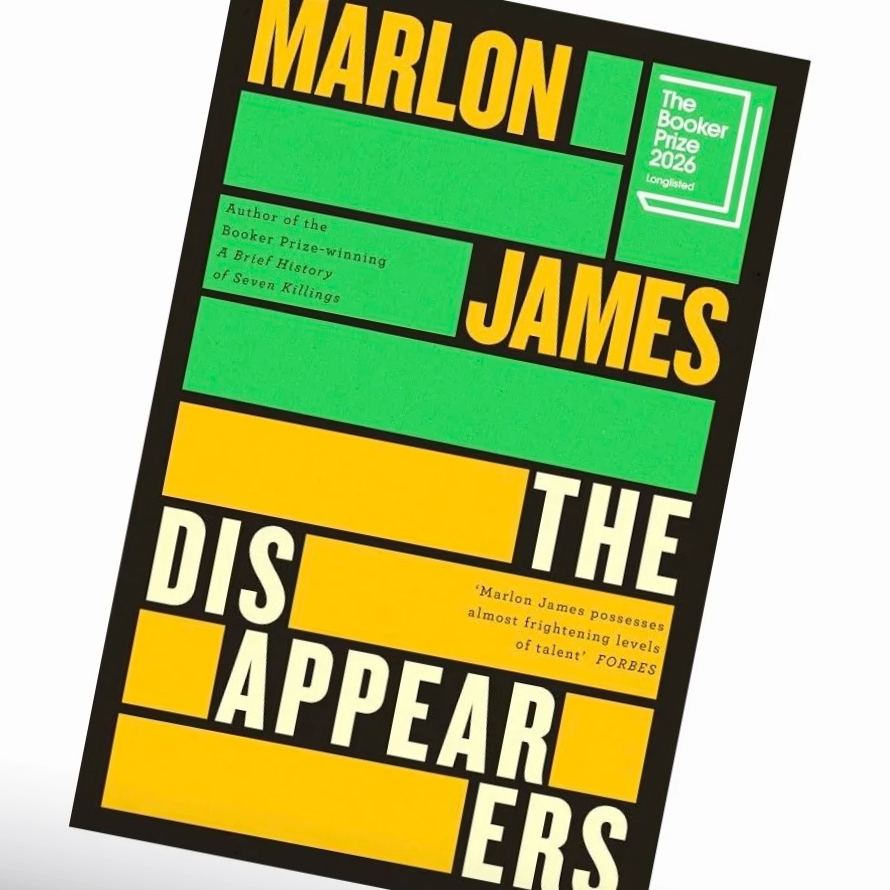
The Disappearers (2026)
The Disappearers takes as its starting point a 1988 clandestine theatre group, a rather disparate selection of local gay men who answered the coded call to audition for a production of Canadian playwright John Herbert's prison-set drama, Fortune and Men's Eyes, directed by the veteran Cambridge-educated Havelock Titus. Its first section is narrated by the white-passing Belgian-Jamaican youth Eddy Porteous, who has (compared at least to his peers) a relatively straightforward home life, and sits kind of on the periphery of the group, some of whom have prior connections and are at least generally more immersed in the real-world realities of living as a gay man in Jamaica. He develops a fascination with the beautiful half-Chinese Mat Chin, and begins to notice the difficulties experienced by another fellow actor, Jordan Brown. By a quirk of fate, Porteous misses the rehearsal on the night when it is overrun by a bloodthirsty homophobic mob, inspired by (and ring-led by) the local dancehall artist Streggeh Don, whose hate-filled hit ‘Batty is not Pussy’ has become something of an anthem for many of the worst elements of Jamaican society.